

Yes, topping up your ceramic coating is worth it, and it’s quicker than most people expect. If the clear coat underneath is still sound, a fresh layer of ceramic topper spray or ceramic glaze applied after a proper wash can restore beading and gloss in under an hour. Most of us get the best results topping up every three to six months, depending on how much the car sees in terms of weather and road grime.
TL;DR:
- Topping up ceramic coatings every three to six months maintains optimal beading and gloss, depending on exposure levels to weather and grime.
- Proper surface preparation, including washing and clay decontamination, is crucial for the topper to bond effectively and avoid streaks.
- Avoid using strong acids, alkalis, solvent-based polishes, or aggressive machine corrections to prevent degrading the hydrophobic layer.
- Routine maintenance involves light washes with pH-neutral shampoos followed by frequent, small top-ups instead of infrequent, heavy correction.
- DIY top-ups typically take 45 to 90 minutes using dedicated products, while professional services are advisable for correction or complex vehicles.
Table of Contents
- Step-by-step: how to top up an existing ceramic coating
- When does your ceramic coating actually need a top-up?
- What damages a ceramic coating and what to avoid when topping up
- DIY vs professional top-up: time, cost and when to call in help
- Our recommended maintenance routine for lasting gloss
- Why small, frequent top-ups beat occasional heavy correction
- Build a simple top-up kit and skip the guesswork
- FAQ
- Sources
Step-by-step: how to top up an existing ceramic coating
Topping up is a short job if you prepare the paint properly first. Rushing the prep is the main reason a topper fails to bond or leaves streaks behind.
- Wash with a two-bucket method using a pH-neutral ceramic shampoo, then dry fully with a clean microfibre towel.
- Check for rough patches by running a plastic bag over a panel; if it catches or feels gritty, clay decontamination is needed before you go further.
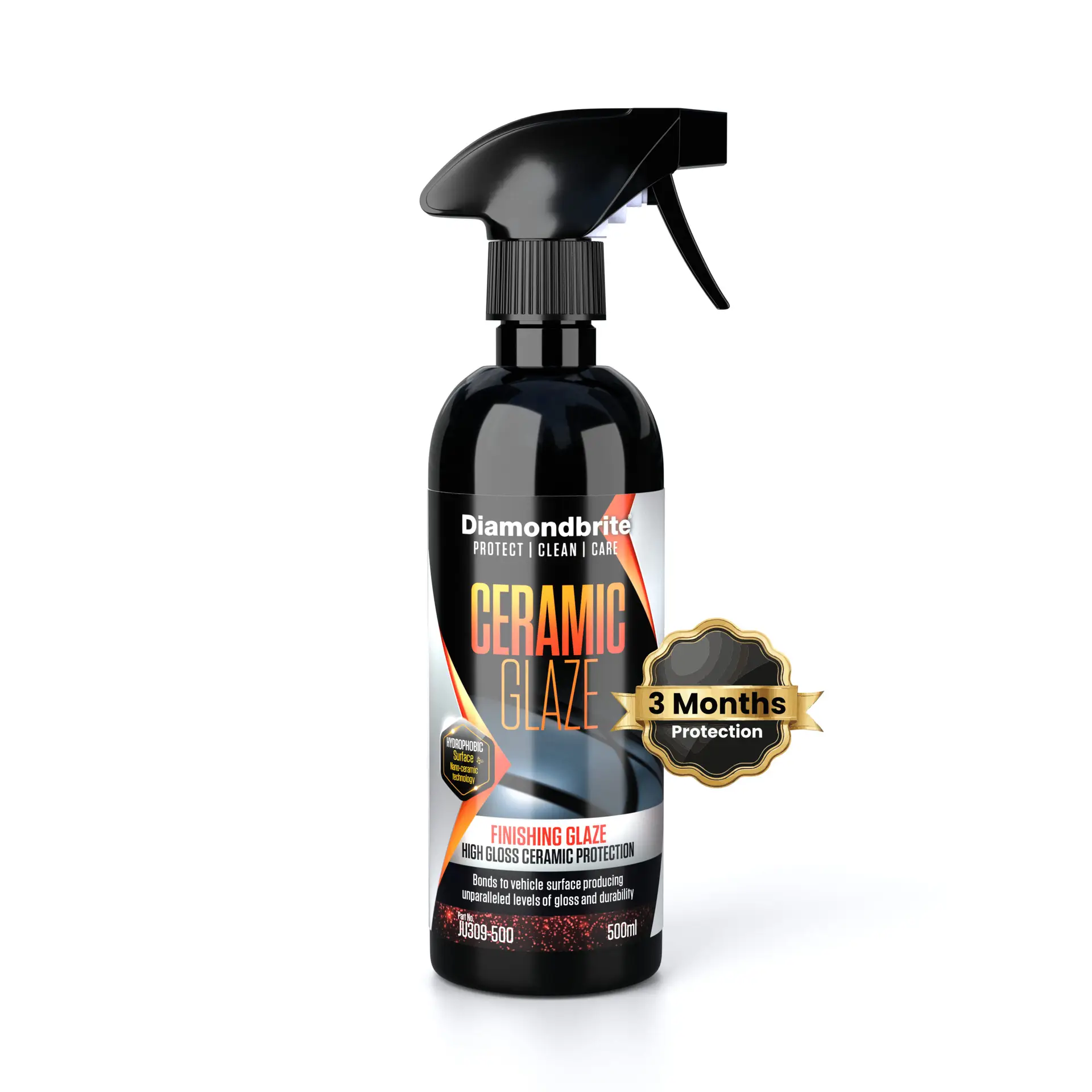
- Work one panel at a time, applying the topper or glaze in light, even passes, following the product’s dwell time before buffing.
- Buff off with a fresh microfibre, turning it regularly so you’re not reapplying the residue you just removed.
- Inspect under good light, checking for even sheen and no leftover haze, and avoid machine polishing during a routine top-up.
Careful surface preparation, including washing and clay decontamination, has a major bearing on how well any protective layer bonds to paint, a point echoed in Autocar’s piece on preserving the paint of a Ferrari F40, where thorough prep is treated as the step that makes or breaks the result.
A few mistakes crop up again and again: working on paint that’s hot from direct sun, over-buffing until the topper is stripped straight back off, and reaching for strong solvent-based cleaners that strip the very layer you’re trying to refresh. None of these ruin a coating outright, but they waste product and your time.
Pro Tip: Top up in the shade or early morning, when the panel is cool to the touch, so the product has time to level before it flashes off.
When does your ceramic coating actually need a top-up?
Your coating will tell you when it’s due, if you know what to look for. Water that used to bead tightly starts to sheet instead, gloss looks a shade flatter under direct light, and the surface picks up dirt faster between washes.
- Bead test: splash water on a clean panel; tight, round beads mean the coating is still active, flat sheeting means it’s fading.
- Wipe test: run a finger across the paint after washing; a slight squeak suggests the surface is dry and due to a refresh.
- Visual gloss check: compare a recently washed panel against a reference photo from when the coating was fresh.
Consumer product pages and detailing guidance tend to cluster around a similar rhythm: quick detailer sprays used weekly to monthly, with a sacrificial topper or glaze applied every three to six months depending on exposure, as reflected in guidance accompanying ceramic maintenance products. A topper restores slickness and shine, but it won’t fill a stone chip or undo a scratch that’s gone through to the clear coat.
What damages a ceramic coating and what to avoid when topping up
Certain products will actively fight against everything your coating is doing. Strong acids and alkalis, oven cleaner used on engine bays or trim, high-pH wheel cleaners, and solvent-based polishes can all strip or degrade the hydrophobic layer well before its time.
- Avoid acidic or alkaline wheel cleaners, which are often stronger than they need to be for ceramic-coated wheels.
- Skip solvent-heavy polishes and compounds unless you’re correcting a specific defect, not doing routine maintenance.
- Use pH-neutral shampoos and dedicated ceramic-safe cleaners for everything in between.
Heavy machine polishing, especially repeated correction work, can leave fine micro-abrasions in the surface that make it harder for a new topper to bond evenly. If a panel has been aggressively corrected multiple times, a full strip and recoat is usually a better outcome than layering topper after topper on a compromised surface.
Pro Tip: Before any top-up, run a quick patch test with your cleaner on a small, hidden area to confirm it isn’t stripping the coating faster than expected.
DIY vs professional top-up: time, cost and when to call in help
Doing it yourself is realistic for most owners with a free afternoon and the right products. A typical top-up on a mid-sized car takes roughly 45 to 90 minutes once the wash is done, and the ongoing cost is just the topper or glaze itself, used sparingly across several sessions.
- Choose DIY for routine maintenance top-ups where the coating is in good condition and you just want to refresh beading and gloss.
- Book a professional when the paint needs correction first, when you’re relying on a warranty-backed maintenance plan, or when the vehicle is large, complex, or has multiple problem panels.
- Vet a detailer properly: ask how they prep the surface, what cure time they allow, whether they offer any guarantee, and for before-and-after photos of similar work.
Professional top-up pricing varies by region and vehicle size, so it’s worth getting a quote rather than assuming a flat rate applies everywhere.
Our recommended maintenance routine for lasting gloss
Our guidance centres on small, regular top-ups rather than waiting until the coating has clearly faded. Boosting beading roughly every three to six months as part of a normal wash routine, paired with gentle, ceramic-safe polishing only when it’s genuinely needed, helps preserve the coating’s thin protective layer rather than wearing through it.
- Wash first, always, using a pH-neutral ceramic shampoo before any topper goes on.
- Reapply little and often, rather than leaving it until gloss has visibly dropped off.
- Save abrasive polishing for actual defects, not as a routine step.
For a fuller walkthrough of the ongoing care that keeps a coating performing well between top-ups, our guide on how to keep your ceramic coating in top condition covers the routine in more depth, and our ceramic product range is where that routine starts in practice.
Why small, frequent top-ups beat occasional heavy correction
Paint that gets topped up little and often rarely needs the aggressive polishing that paint left to fade does. Each round of correction removes a sliver of clear coat, so the fewer times you need it, the longer the paint underneath lasts. Pair a light topper with your existing wash day rather than treating it as a separate chore, and the gloss stays consistent without ever reaching for a machine polisher.
— Will
Build a simple top-up kit and skip the guesswork
A good starter kit takes the decision-making out of maintenance: one ceramic topper or glaze for the sacrificial layer, a ceramic shampoo to wash with beforehand, and a couple of dedicated microfibres kept just for coated panels. That combination covers most of what a routine top-up needs, without reaching for five different bottles.
If you’re new to topping up and want a single, straightforward place to start, our full range of ceramic care products brings the topper, shampoo and accessories together so you can get a starter kit sorted in one order rather than piecing it together from several brands.
FAQ
Can I apply ceramic coating on top of old ceramic coating?
Yes, provided the existing coating is clean, fully dried and free of contamination, a fresh layer or topper can usually be applied over it without stripping the base layer first. If the surface feels rough or heavily worn, clay decontamination beforehand gives the new layer a cleaner surface to bond to.
What is the best topper for ceramic coating?
The most practical choice is a dedicated ceramic topper spray or glaze designed to sit over an existing coating rather than replace it, since these are formulated to bond to ceramic layers rather than bare paint. Our ceramic product range includes options built specifically for this kind of maintenance top-up.
What destroys ceramic coating?
Strong acidic or alkaline cleaners, solvent-based polishes, and repeated aggressive machine polishing are the main culprits, since they strip the hydrophobic layer or leave micro-abrasions that weaken it. High-pH wheel cleaners used routinely on coated wheels are a common, often overlooked offender too.
How do I refresh a ceramic coating?
A proper refresh starts with a two-bucket wash and full drying, followed by clay decontamination if the surface feels rough, then a panel-by-panel application of a ceramic topper or glaze. This reintroduces beading and gloss without the need for machine polishing in most routine cases.
How often should I top up my ceramic coating?
Most owners get good results topping up every three to six months, with lighter quick detailer sprays used weekly to monthly in between, based on guidance accompanying ceramic maintenance products. Exposure to weather and road grime will push that cadence shorter or longer depending on how the car is used.
Sources
For more on why surface prep matters so much before any protective layer goes on, Autocar’s feature on preserving the paint of a Ferrari F40 is a useful read beyond the detailing world. For checking your approach against an independent checklist, Mobiledetailing covers similar ground from a working detailer’s perspective. For product-specific routines and starter kits, our own ceramic coating maintenance guide and product range are the next logical stop.