

The safest way to remove tar from a car is with a purpose-made tar remover or a mild solvent-based detailer, applied to a microfibre cloth and worked gently rather than scrubbed. Never use petrol or diesel on your paintwork. Always patch-test the product on a hidden panel first, then wash and reapply protection once the tar has lifted.
TL;DR:
- Only use purpose-made tar removers or mild solvent-based detailers, avoiding petrol, diesel, or white spirit due to fire hazards and potential damage.
- A brief dwell time and gentle twisting with a clean microfibre cloth are essential to prevent scratching and ensure effective tar removal.
- Thick or old tar deposits may require a clay bar with lubricant, but aggressive scrubbing and polishing should be avoided to prevent paint damage.
- After removing tar, always wash and reapply protective coatings, especially on matte or ceramic finishes, to prevent future contamination.
- Regularly inspect and remove tar spots early after motorway drives to keep the paint condition intact and simplify the cleaning process.
Table of Contents
- What to gather before you start removing tar from your car
- Step-by-step: the safest method to remove tar from your car
- How to choose the right tar remover for your car
- What not to use: safety warnings when removing tar
- Aftercare: restoring protection once the tar is gone
- Diamondbrite’s guidance on protecting your paint after tar removal
- What most people get wrong when removing tar
- Keep your protection topped up after tar removal
- Sources
- FAQ
What to gather before you start removing tar from your car
Getting your kit together first saves you from stopping halfway through with tar softening on one panel while you hunt for a second cloth. It also means you’re not tempted to reach for whatever’s in the garage, which is how petrol ends up on paintwork it should never touch.
Before you begin, have these to hand:
- A purpose-made tar remover, or a citrus/solvent-based detailer designed for automotive use
- A ceramic-safe car shampoo for the wash that follows
- A clay bar and lubricant as a backup for stubborn, thickened deposits
- Several clean microfibre cloths, plus a soft applicator or sponge
- A bucket of car shampoo, gloves, and eye protection
- A hose or a large bottle of water for rinsing
Work in the shade rather than direct sun, since heat speeds up evaporation and makes solvents harder to control. Patch-test on an inconspicuous area, such as inside a door shut or under the fuel flap, and give it a few minutes before checking the finish.
Step-by-step: the safest method to remove tar from your car
This sequence keeps risk to the paint as low as possible while still shifting tar effectively. Rushing any single step is usually what causes marring, so treat this as a slow, deliberate job rather than a five-minute fix.
- Pre-wash the area. Rinse or use a two-bucket wash to lift grit and loose dirt before you touch the tar itself. Skipping this step means you’ll be grinding sand into the clear coat the moment you start wiping.
- Apply the tar remover. Spray or dab it onto a clean microfibre cloth (or directly onto the spot, depending on the product) and follow the label’s guidance closely.
- Let it dwell. Give the product the short dwell time stated on the packaging. This is what actually breaks down the tar’s bond with the paint. Rubbing straight away, before the chemistry has done its job, just spreads the tar around and risks fine scratching.
- Twist and lift, don’t scrub. Fold the cloth so you always have a clean face against the paint, then gently twist and lift rather than dragging or pressing hard. Repeat with a fresh section of cloth if the spot needs another pass.
- Bring in the clay bar for stubborn blobs. Older, thickened bitumen deposits sometimes resist a solvent alone. A clay bar used with plenty of lubricant is the next safest option, and a light polish should only follow once you’ve confirmed the paint is intact underneath, since independent tar remover tests show that repeated gentle treatment and clay-bar use carry far less risk of marring than aggressive scrubbing.
- Rinse and wash. Once the tar has lifted, rinse thoroughly and run the panel through a full wash to clear any chemical residue before it dries on the surface.
- Dry and inspect. Dry with a clean microfibre towel and check the finish in good light. If you notice the paint has softened, gone matte, or changed texture where it wasn’t before, stop immediately and get a professional opinion rather than continuing to work the area.
Pro Tip: If a spot doesn’t shift on the first attempt, resist the urge to press harder. Reapply the product and give it a second short dwell instead. Patience removes tar far more safely than pressure ever will.
A single short dwell with a mild solvent and a twisting cloth motion is usually enough for tar that’s still thin and recent. Thicker, older bitumen is the exception that needs the clay bar step, and even then, polishing carries its own risk of thinning the clear coat over time, so treat it as a last resort rather than a default.
How to choose the right tar remover for your car
Not every product on the shelf suits every finish, and picking the wrong one is how owners end up with a stripped patch of wax next to an untouched bonnet. Three broad categories cover most of what’s available:
- Dedicated tar remover sprays, built specifically to dissolve road tar and often the fastest-acting option
- Citrus or solvent-based detailers, milder in scent and often marketed as multi-purpose
- Water-based or low-VOC options, gentler on the surface and a sensible first choice if you’re at all unsure
Before you commit to any product, check the label for three things: whether it’s stated safe on clear coat, whether it’s plastic-friendly for trim and badges, and whether it’s suitable for matte or ceramic-coated finishes specifically. Faster-acting solvent formulas tend to smell stronger and generally need outdoor use with good airflow, which is worth knowing before you start in an enclosed garage.
Patch-testing takes two minutes and saves you a much longer afternoon. Pick a hidden spot such as the inside of a door shut, apply the product, wait the time stated on the label, then inspect closely for softening, dulling, or any colour change before you move on to a visible panel.
What not to use: safety warnings when removing tar
This is the section that matters most, because the mistakes here aren’t just cosmetic. Petrol and diesel are highly flammable and should never touch your car’s paintwork. Beyond the obvious fire risk, the fumes are genuinely harmful to breathe, and fuels are far more aggressive than anything designed for detailing, which means they’ll strip wax, sealant, or ceramic protection along with the tar.
White spirit sits in a different category. It’s sometimes suggested as a last resort for tar removal, but Gov is clear that it’s a flammable solvent carrying real health and fire risks, and it needs good ventilation and proper handling if you use it at all. If you genuinely have no other option, treat it the way a workshop would rather than the way you’d treat washing-up liquid.
Keep this checklist in mind whenever solvents are involved:
- Wear gloves and eye protection throughout
- Work outdoors or somewhere with strong airflow, never in a sealed garage
- Never smoke or work near an ignition source while solvents are on the surface
- Dispose of contaminated cloths safely rather than leaving them balled up in a bin
HSE guidance for motor vehicle repair recommends reducing solvent risk wherever possible by favouring higher-flashpoint or water-based materials, and it specifically flags that solvent-soaked rags need careful storage and disposal to avoid vapour build-up or spontaneous combustion.
Aftercare: restoring protection once the tar is gone
Tar remover doesn’t know the difference between bitumen and wax, so most products that shift tar effectively will also strip whatever protection was on the paint beforehand. Product testing from Auto Express confirms this is common even among the better-performing removers, which makes reapplying protection a genuine step in the job, not an optional extra.
Once the area is clean and dry, work through this:
- Give the whole panel a proper wash, and clay-bar it again if any contamination lingers
- Reapply a wax or sealant suited to the finish if the tar remover has stripped it
- Use maintenance products explicitly labelled safe for ceramic-coated surfaces if your car is coated, since a mismatched product can undo the coating’s protection
- Check plastic trim and matte panels separately, since they often need their own dedicated products rather than whatever you used on the gloss paint
Doing this every few months, or whenever you spot fresh tar spotting after a motorway run, keeps the paint looking consistent rather than patchy in one corner.
Diamondbrite’s guidance on protecting your paint after tar removal
Tar removal is really a two-part job: lifting the contaminant, then putting the protection back. That second half is where a lot of DIY jobs fall short, because a stripped patch left bare will pick up new grime faster than the rest of the car. A ceramic-safe shampoo helps settle the surface straight after tar removal without disturbing whatever coating remains intact elsewhere on the panel.
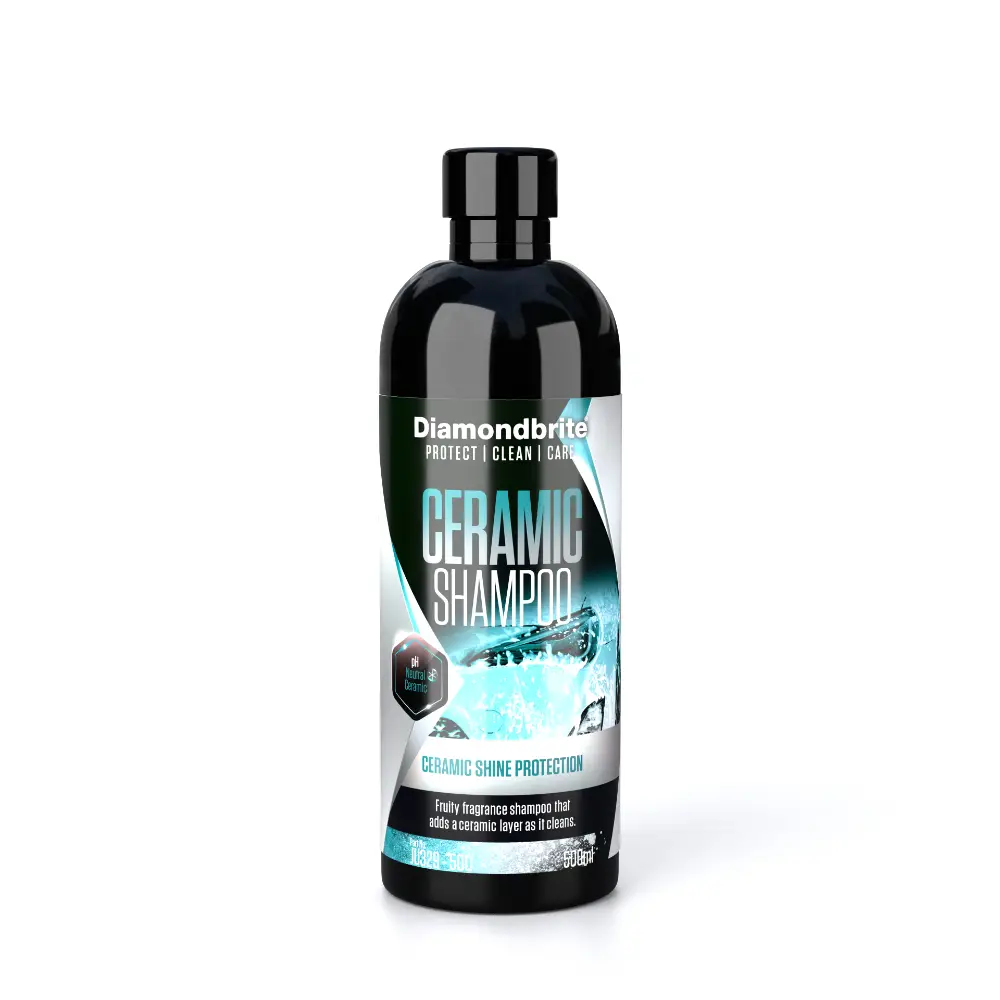
Always follow the specific product instructions for your finish, particularly on matte or ceramic-coated cars, where the wrong aftercare product can undo work that took months to build up. If you’re unsure whether your existing coating has survived the process, a slow, patient reapplication beats guessing.
What most people get wrong when removing tar
The single biggest mistake is scrubbing hard because the tar “isn’t coming off fast enough.” Give the product its dwell time, twist the cloth rather than dragging it, and reapply if the first pass doesn’t finish the job.
Patch-testing feels like an unnecessary delay right up until it saves your bonnet. Slow, repeated applications beat one aggressive attempt every time.
— Will
Keep your protection topped up after tar removal
Once tar has been lifted, the paint underneath is more exposed than it was an hour earlier, and that’s exactly when a fresh layer of protection earns its keep. Ceramic-infused shampoos and glazes are designed to sit safely on top of clear coat without the harsh solvent action that stripped the wax in the first place.
If tar has become a recurring problem on a regular commute, a proper ceramic glaze gives the surface a slicker finish that makes future contamination easier to wipe away before it bonds. For cars already running a ceramic coating, check our guide on clean ceramic coated wheels for the wider maintenance routine, since wheels pick up their own share of road grime alongside tar spotting. Browse the full full product range to find the ceramic shampoo, glaze, or maintenance pack that matches your finish, and get your protection back to where it was before the tar ever landed.
Sources
FAQ
Will WD-40 remove tar from car paint?
WD-40 is sometimes used as a household option for loosening tar, but any residue must be washed off completely and tested on a hidden panel first, since it isn’t formulated specifically for automotive clear coat. A purpose-made tar remover is generally the more predictable choice for paint safety.
What takes black tar off a car?
A dedicated tar remover or a mild citrus/solvent-based detailer, applied with a microfibre cloth and given a short dwell time, lifts most fresh tar spots without aggressive scrubbing. Older, thickened deposits sometimes need a clay bar with lubricant as a follow-up step.
Does white spirit remove tar?
White spirit can dissolve tar, but GOV.UK guidance confirms it’s a flammable solvent with real fire and health risks, so it needs ventilation and PPE and is best treated as a last resort rather than a first choice.
Does petrol remove tar from a car?
Petrol will dissolve tar, but it’s highly flammable, harmful to breathe, and aggressive enough to strip wax, sealant, or ceramic coating from the paint underneath. It should never be used on vehicle paintwork under any circumstances.
How often should I check my car for tar spots?
Checking after any motorway journey, especially in warm weather when road surfaces soften, catches tar before it bonds hard to the paint. Removing it early, while it’s still thin, is far easier than dealing with a thickened deposit weeks later.