

A practical way to help prevent bug etching is to remove splatter while the paint is cool and damp, using a paint-safe bug remover or a soapy soak followed by a rinse. Never scrub dry residue. Keep a protective layer on the paint, whether wax, sealant or ceramic, so residue struggles to bond to the clearcoat and wipes away far more easily.
TL;DR:
- In warm weather, residue can bond within hours as heat softens clearcoat; park in shade and wet splatter before cleaning.
- For baked on spots, repeat a short dwell with a pH neutral remover instead of pressing harder; gel formulas cling to vertical panels.
- Choose products labeled safe for wax and coatings, check the dwell time, and patch test first; solvent heavy sprays can strip protection.
- If a dull or crater shaped mark remains after washing, it is likely etched clearcoat; stop scrubbing and ask a paint care professional about polishing.
- Prioritize the hood’s leading edge, front bumper, and mirrors, where splatter concentrates, and follow the maker’s reapplication schedule because worn protection offers little help.
Table of Contents
- Why bugs etch paint: what happens to your clearcoat
- What to do the moment you spot insect splatter
- Safe removal methods for fresh, baked-on and stubborn splatter
- Protective measures: wax, sealant, ceramic and PPF
- How to choose bug removers and protective products safely
- How to tell permanent etching from residue
- A simple post-trip routine that saves your paint
- How our ceramic care range fits your prevention routine
- FAQ
- Sources
Why bugs etch paint: what happens to your clearcoat
Insect remains are not just mess. They carry enzymes and fatty acids, and a mechanistic study of clearcoat degradation found that enzymes in biological deposits are a primary cause of hydrolytic breakdown in acrylic melamine clearcoats. Weathering makes the surface rougher and the damage worse.
Heat adds a second problem. Autoglym’s laboratory warns that clearcoat softens in warm weather and then hardens around the residue, which moulds the splatter into the lacquer. In warm conditions this can happen within hours.
Once residue dries, it turns brittle and resists a simple wash. Check the paint and trim for staining after a long drive.
What to do the moment you spot insect splatter
Speed matters more than technique here. Work through these steps in order:
- Keep the panel cool. Move into shade if you can, because hot sun speeds up bonding.
- Leave it damp. Wet residue is far easier to lift than dry residue.
- Never rub dry splatter. Dragging hard remains across the paint is how scratches start.
- Soak first. Use soapy water or a dedicated bug remover, give it a short dwell, then rinse.
- Skip solvent-heavy sprays. If you have a wax or coating, strong solvents can strip it, as Auto Express testers note.
- Carry a mini kit. A microfibre cloth, a trigger bottle of diluted ceramic-friendly shampoo and a few bug wipes handle roadside spots.
Safe removal methods for fresh, baked-on and stubborn splatter
Match the method to the age of the residue, and never skip the soak.
- Wet the area with clean water to loosen what you can.
- Apply pH-neutral shampoo or a bug remover to the splatter and let it dwell briefly.
- Wipe with a clean microfibre, using light pressure and a fresh section of cloth for each pass.
- Rinse thoroughly and dry with a soft towel.
- For baked-on residue, repeat the dwell cycle instead of pressing harder. Gel-type removers suit sloping panels, and a snow foam or pressure rinse beforehand softens the worst of it.
- Stop when marks remain after careful repeat treatments. At that point you are probably looking at etched clearcoat, which needs machine polishing, not more scrubbing.
Pro Tip: Gel or gloopy removers cling to vertical surfaces such as door edges and the front bumper, so they work while you wait and cut down the rubbing.
Protective measures: wax, sealant, ceramic and PPF
Protection will not make your paint bug-proof, but it changes how easily residue lets go. Here is how the main options compare:
- Wax and traditional sealants add slickness and short-term protection. They make removal easier, but you need to reapply them regularly, and solvent-heavy cleaners can strip them, as Auto Express testers note.
- Ceramic coatings can make cleaning simpler. They still need maintenance washes, and Autoglym’s advice is to clean splatter promptly whatever protection is on the car.
- Paint protection film (PPF) is another option to consider. Follow the film maker’s care guidance and clean insect residue promptly.
Focus your effort on the places bugs hit hardest: the leading edge of the bonnet, the front bumper and the mirrors. Follow the maker’s guidance on reapplication intervals, because a worn-out layer protects nothing.
How to choose bug removers and protective products safely
Read the label before you buy. Prefer products that say they are safe on wax and coatings, give a clear dwell time, claim a balanced pH and state that they will not strip sealants.
Formulation matters too. Gels cling to panels, foams cover a large area quickly and rinse off easily, and solvent-heavy sprays are the ones most likely to remove wax.
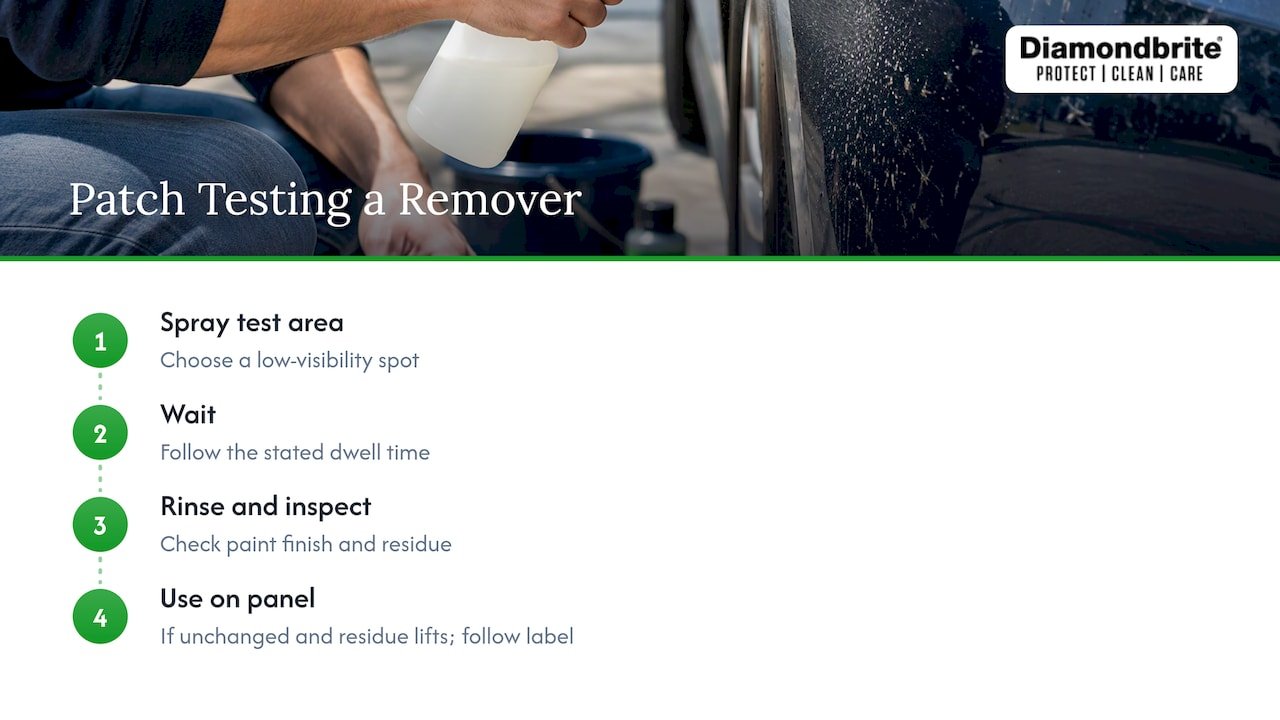
Before using anything new across a whole panel, patch test it. Spray a small, low-visibility area, follow the stated dwell time, rinse and inspect the paint. If the finish looks unchanged and the residue lifts, follow the product label before using it on the rest of the panel.
How to tell permanent etching from residue
Residue sits on top of the paint, while etching sits in it. An etched spot distorts the light, leaving a dull or crater-like mark that stays put after washing, so detergents and clay will not shift it.
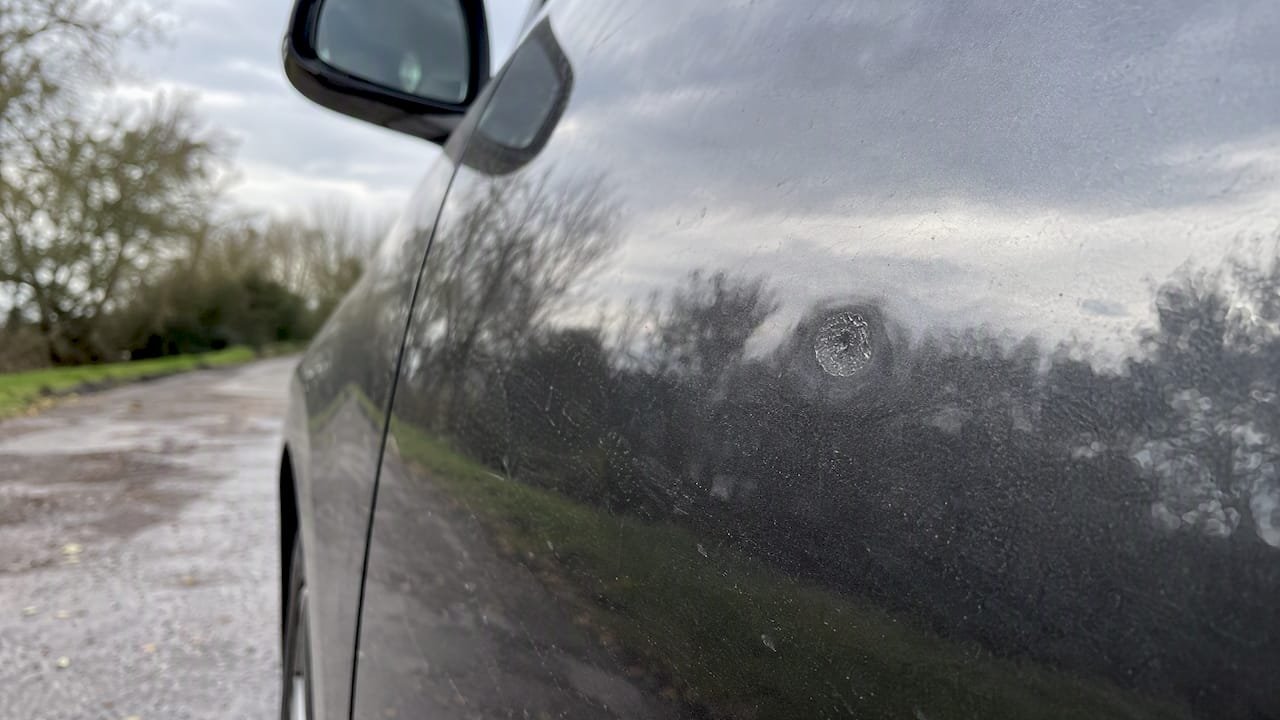
Research on dragonfly eggs found that oxidising acids released as the eggs harden can catalyse hydrolysis of clearcoat polymers, much like acid rain under heat. Once that has happened, seek advice from a paint-care professional about possible repair options.
Paint correction means machine polishing that removes or softens etches by taking the surface down level. Severe cases may need a respray. Prevention costs far less and keeps the factory clearcoat intact.
A simple post-trip routine that saves your paint
A short check after each long drive can help. Wet down the leading edges, lift obvious splats and give problem spots a quick spray of ceramic-friendly shampoo.
A well-maintained coating may make residue easier to remove, reducing the effort needed to clean the paint. Make this a habit and etching rarely gets the chance to start.
— Will
How our ceramic care range fits your prevention routine
We built our ceramic care range for exactly this routine. Our Ceramic Shampoo is a wash option after a bug-removal session, and our Ceramic Glaze can be used afterwards.

- Wash: use our Ceramic Shampoo once the splatter has been soaked and rinsed.
- Protect: follow with our Ceramic Glaze, or a spray and rinse coating, panel by panel.
- Repeat: keep the cycle going as part of your paint-care routine.
Browse our full kits and guides in the Diamondbrite shop and build the routine that suits your car.
FAQ
Will WD-40 remove bugs from a car?
It can loosen insect residue, but it is a solvent-based product, and solvents may strip wax or sealant from the paint. A dedicated bug remover or pH-neutral soapy soak is the safer choice, followed by a rinse.
How to protect a car against bird poop?
Treat it like bug splatter and remove it promptly. The bird-dropping study shows enzymes in biological deposits attack clearcoat, so soak, wipe gently and keep a wax, sealant or ceramic layer on the paint.
What damages car paint the most?
Biological deposits left to dry, such as insects and bird droppings, are among the most damaging everyday threats, especially in the heat. Harsh scrubbing is a close second, because it adds scratches on top of any etching.
What soap gets the most stuck on bugs off of the car?
A pH-neutral car shampoo or a dedicated gel or foam bug remover can help loosen residue. Auto Express testing found that dedicated removers with gel or foam formulations can work on insect residue. Allow a short dwell, then rinse instead of scrubbing.
Sources
- Autoglym warns of ‘bug-splat etching’, as a wet start to summer boosts UK’s insect populations
- (PDF) A mechanistic study of degradation of a typical automotive clearcoat caused by bird droppings
- Best car bug cleaner 2026 | Auto Express