

So you've just had a car ceramic coating applied: congratulations! Whether you've gone for Diamondbrite Advanced Ceramic or another professional-grade nano ceramic coating, you've made a brilliant choice for your car's long-term protection. That showroom shine? It's not going anywhere anytime soon.
But here's the thing: even the best ceramic coating for cars isn't completely maintenance-free. Think of it like a quality leather jacket: it'll last for years, but only if you treat it right.
Don't worry though. Caring for your coating is actually simpler than traditional waxing routines. This guide will walk you through everything you need to know as a first-time owner, from the crucial first week to keeping that glossy finish looking fresh for years to come.
Why Maintenance Still Matters (Even with Ceramic Protection)
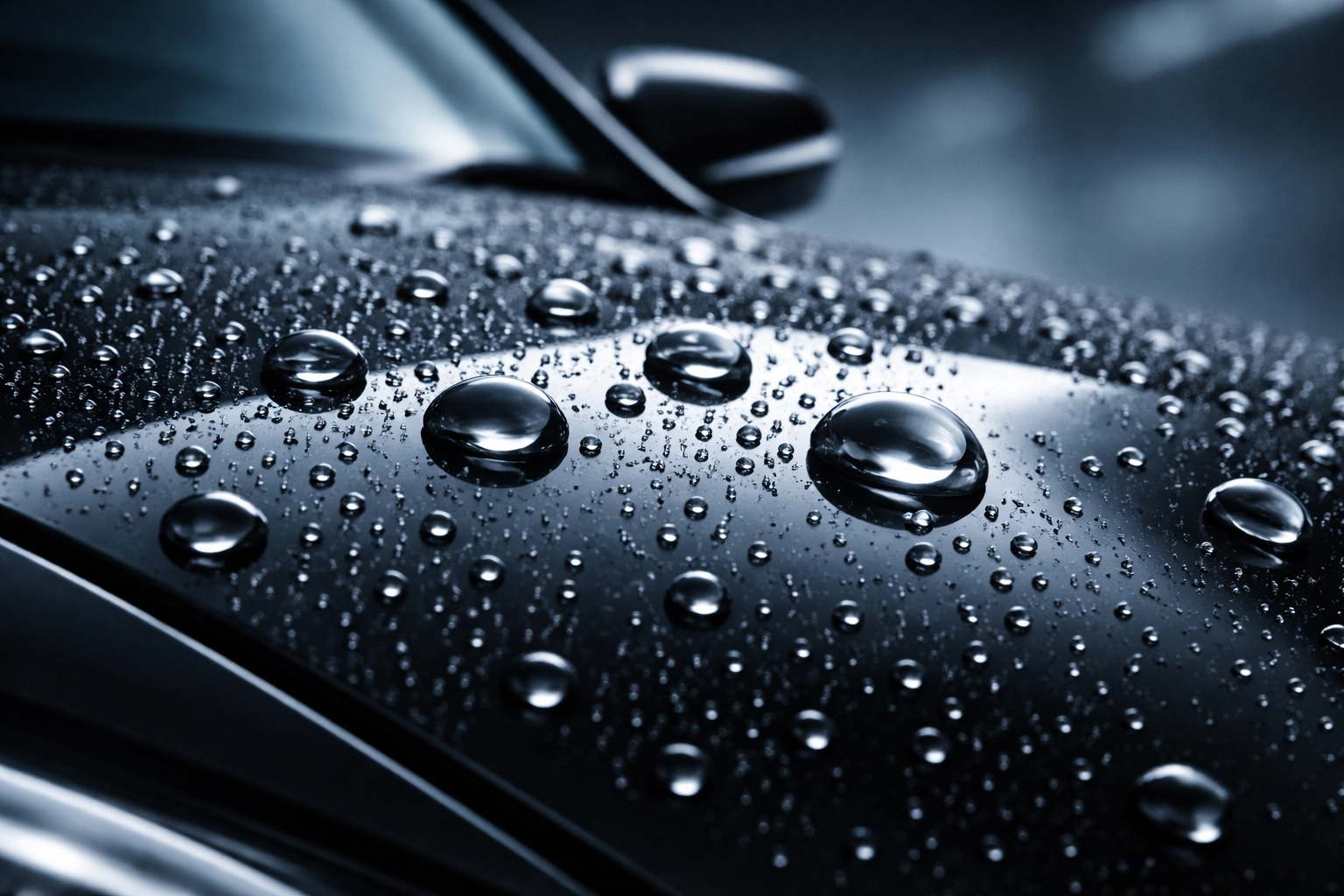
Let's clear up a common misconception first. A nano ceramic coating creates an incredibly tough, hydrophobic layer on your paintwork. It repels water, resists UV damage, and makes cleaning far easier. But it's not a force field.
Dirt, grime, bird droppings, and road salt will still land on your car. Left sitting there, even the best car body protection can be compromised over time. Contaminants can etch into the coating's surface if ignored, and that brilliant water-beading effect will gradually diminish.
The good news? Regular, gentle maintenance keeps your coating performing at its peak. You'll spend less time cleaning than you did before the coating was applied: and your car will look better doing it.
The Golden Rule: No Polishing or Waxing Required
Here's something that surprises a lot of first-time ceramic coating owners: you don't need to wax or polish your car anymore. In fact, you shouldn't.
Traditional polish is designed to remove a thin layer of clear coat to eliminate minor scratches and restore shine. But your ceramic coating sits on top of your clear coat as a separate protective layer. Polishing would actually strip away the very protection you've paid for.
The same goes for wax. Your coating already provides superior hydrophobic properties and gloss: wax won't bond properly to the ceramic surface anyway, and using it could void your warranty.
So put away the polish and the wax pot. Your car paint protection products routine just got a whole lot simpler.
Safe Washing Techniques: The Right Way to Clean Your Coated Car
Washing a ceramic-coated car is straightforward, but there are a few key rules to follow to avoid damaging that pristine finish.
Wait Before the First Wash
If your coating was applied within the last week, hold off on washing entirely. The coating needs time to cure fully: usually around 7 days. If your car picks up some dirt or bird droppings during this period, gently remove them with a light detail spray and a clean microfibre towel. No full wash yet.
Use pH-Neutral Car Shampoo Only
This is non-negotiable. Harsh detergents, dish soap, or acidic cleaners will break down your coating over time. Always use a pH-neutral car shampoo that's designed for coated vehicles.
The Two-Bucket Method
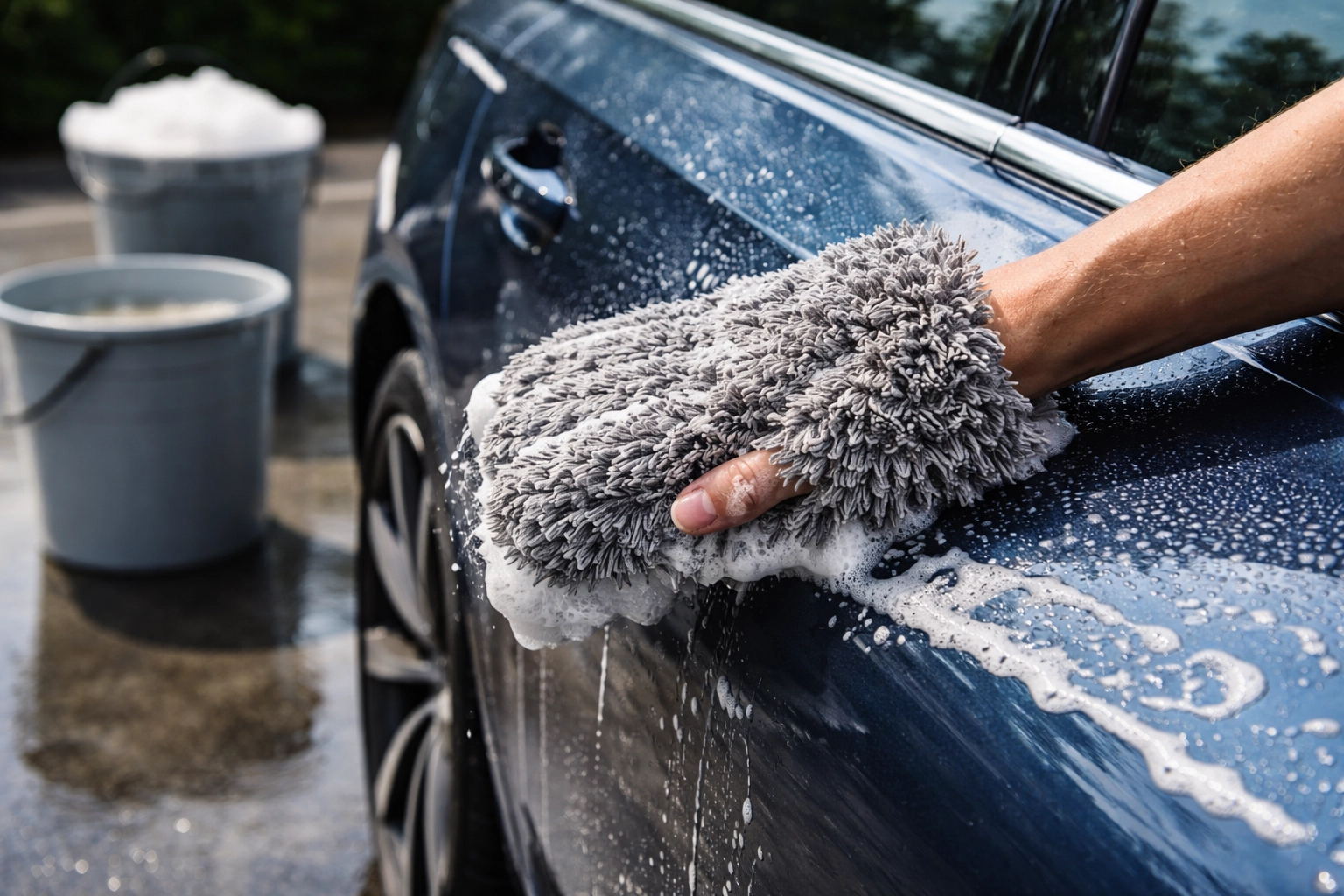
Fill one bucket with your soapy water and another with clean rinse water. Dip your wash mitt in the soapy bucket, wash a section of the car, then rinse the mitt in the clean water before re-soaping. This prevents you from rubbing dirt back onto the paintwork.
Always Use a Soft Wash Mitt
Sponges and brushes can create micro-scratches. A high-quality, plush microfibre wash mitt is your best friend here.
Avoid Automated Car Washes
Those spinning brushes at automated car washes? They're brutal on any paintwork, but especially on ceramic coatings. The harsh bristles can dull your coating and introduce swirl marks. Stick to hand washing or, if you must, use a touchless car wash only.
Using Diamondbrite Aftercare Products
If you've had a Diamondbrite coating applied, using the correct aftercare products isn't just recommended: it's essential for maintaining your warranty and getting the best performance from your coating.
Diamondbrite Aftercare and Diamondbrite Conserver are specifically formulated to work with your coating. They help maintain the hydrophobic properties, add an extra layer of protection, and keep that deep gloss looking fresh.
Every 3 to 4 months, apply a maintenance booster after washing to rejuvenate the coating's water-repelling abilities. Always apply these products to a freshly washed, clean surface: never to a dirty car.
Using third-party products that aren't approved for your coating could affect its performance and potentially void your guarantee. When in doubt, check the maintenance guidance or contact your installer.
Dealing with Bird Lime and Tree Sap
Even with top-tier car body protection, some contaminants need immediate attention. Bird droppings and tree sap are the main culprits.
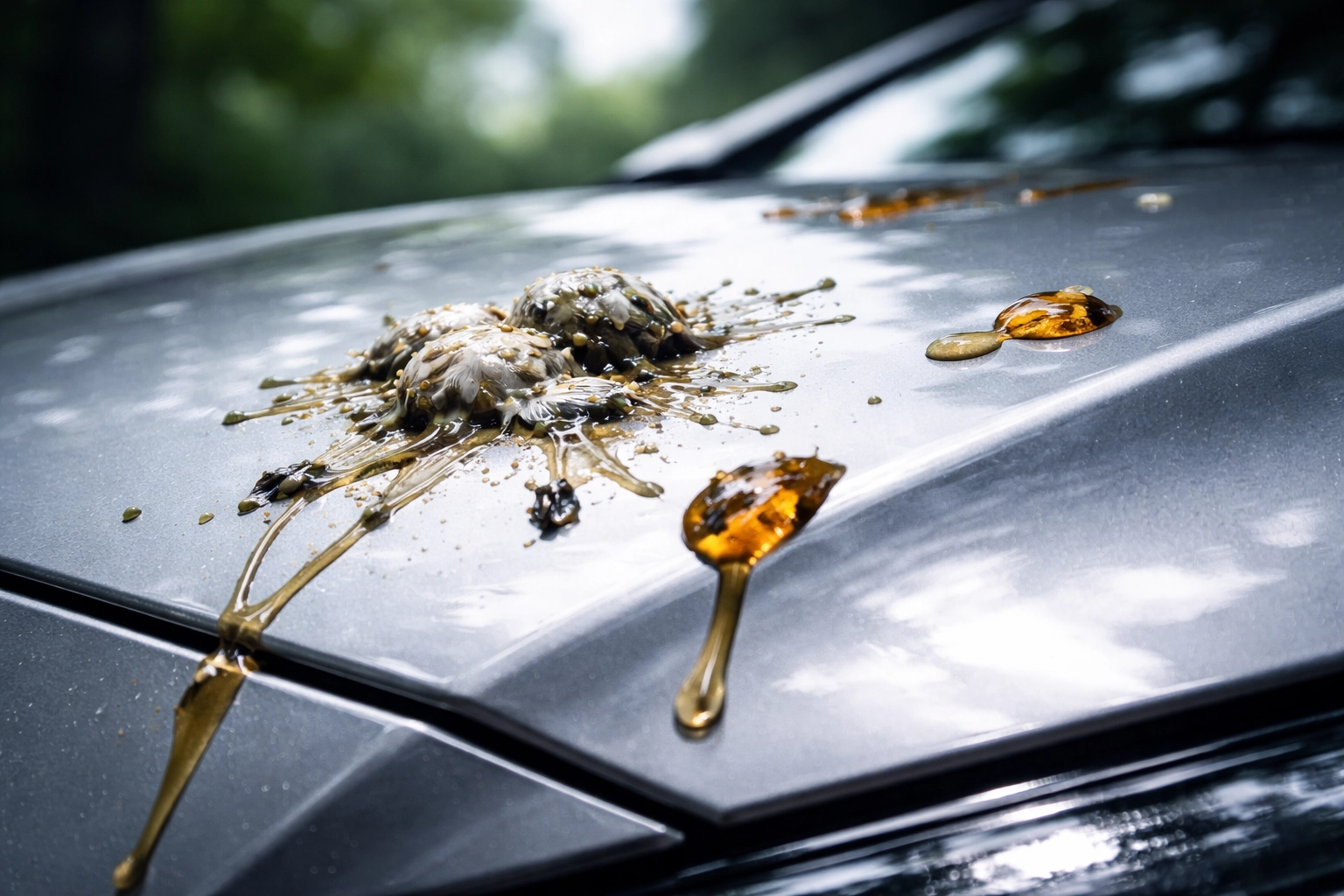
Bird lime is acidic. Left baking in the sun on your paintwork, it can etch into the coating surface: even through ceramic protection. The same goes for tree sap, which hardens and bonds stubbornly to whatever it lands on.
What to Do
Act fast. The sooner you remove these contaminants, the less chance they have to cause damage.
For fresh bird droppings, rinse the area with clean water and gently wash with pH-neutral shampoo. Don't scrub: let the water and soap do the work.
For dried-on bird droppings or sap, spray the area with a quick detailer or dedicated remover, let it soak for a minute, then gently wipe away with a clean microfibre cloth. Avoid aggressive rubbing, which can scratch the surface.
If you're regularly parking under trees, consider moving your parking spot. Prevention is always easier than cure.
Drying Your Car Properly (Avoiding Water Spots)
You've washed your car beautifully: don't let water spots ruin the finish.
Water spots occur when mineral-rich water evaporates and leaves deposits behind. On a ceramic-coated car, these spots can be particularly visible against that ultra-glossy surface.
The Best Drying Method
Use a high-quality microfibre drying towel: the bigger and more absorbent, the better. Gently pat and drag the towel across the surface rather than rubbing in circles.
For an extra-thorough dry, use a leaf blower or dedicated car dryer to blast water out of mirrors, door handles, and panel gaps. This prevents drips running down your freshly dried paintwork.
Avoid drying your car in direct sunlight. The heat speeds up evaporation, giving you less time to dry before spots form. Early morning, late afternoon, or an overcast day is ideal.
How Often Should You Wash?
For most UK drivers, washing every 2 to 4 weeks is about right. In winter, when road salt and grime build up faster, you might need to wash more frequently: especially around the lower panels and wheel arches.
The beauty of a car ceramic coating is that washing takes far less effort than an uncoated car. Dirt slides off more easily, and you won't need to spend hours polishing afterwards.
The Long-Term Payoff: Showroom Shine and Better Resale Value
Follow these simple maintenance steps, and your ceramic coating will reward you for years. That deep, wet-look gloss will stay put. The hydrophobic beading will keep performing. And when it comes time to sell or trade in, your paintwork will look far better than cars of a similar age that haven't had the same care.
A well-maintained nano ceramic coating is one of the best investments you can make for your vehicle's appearance and resale value. And honestly? Once you get into the routine, it's barely any extra effort at all.
Got questions about caring for your Diamondbrite coating? Head over to our aftercare guide for more detailed tips, or get in touch with your local installer.