

If you've been researching car paint protection lately, you've probably come across two main contenders: ceramic coating and PPF (Paint Protection Film). Both promise to keep your paintwork looking showroom-fresh, but they work in fundamentally different ways: and for most drivers, one option makes considerably more sense than the other.
Let's break down exactly what each protection system offers, where they excel, and why ceramic coating has become the go-to choice for everyday motorists across the UK.
What Is PPF (Paint Protection Film)?
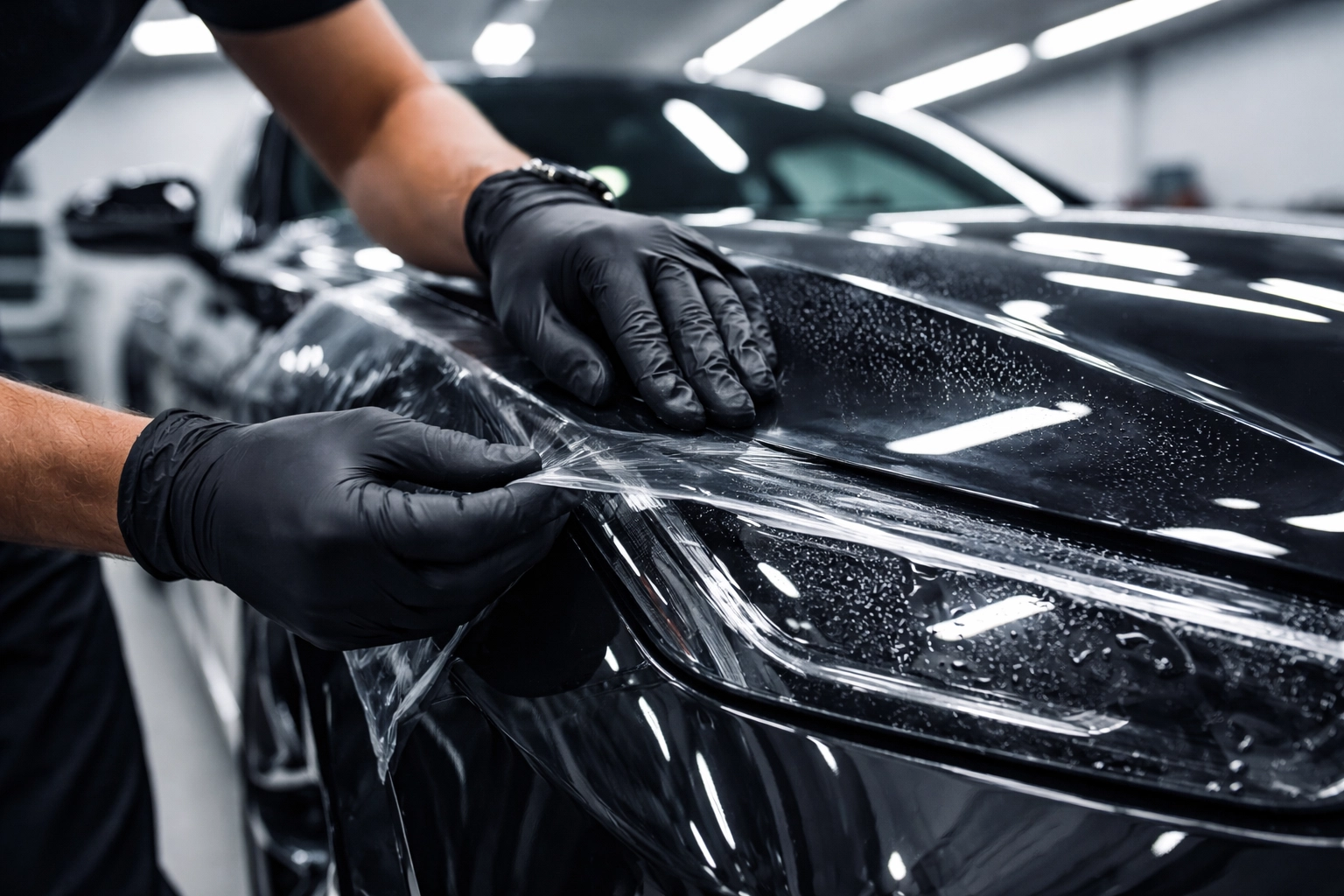
PPF is essentially a thick, clear plastic film that's physically applied to your car's paintwork. Think of it like a screen protector for your phone, but for your bonnet, bumpers, and wing mirrors. The film creates a physical barrier against stone chips, scratches, and minor impacts.
Some higher-end PPF products feature "self-healing" technology, where minor scratches in the film can disappear when exposed to heat. Sounds impressive, right? It certainly can be: but this level of protection comes with some significant trade-offs that we'll explore shortly.
PPF is typically recommended for drivers who face extreme conditions: off-road enthusiasts, those who regularly drive on gravel roads, or owners of high-value supercars who want maximum physical protection regardless of cost.
What Is Ceramic Coating?
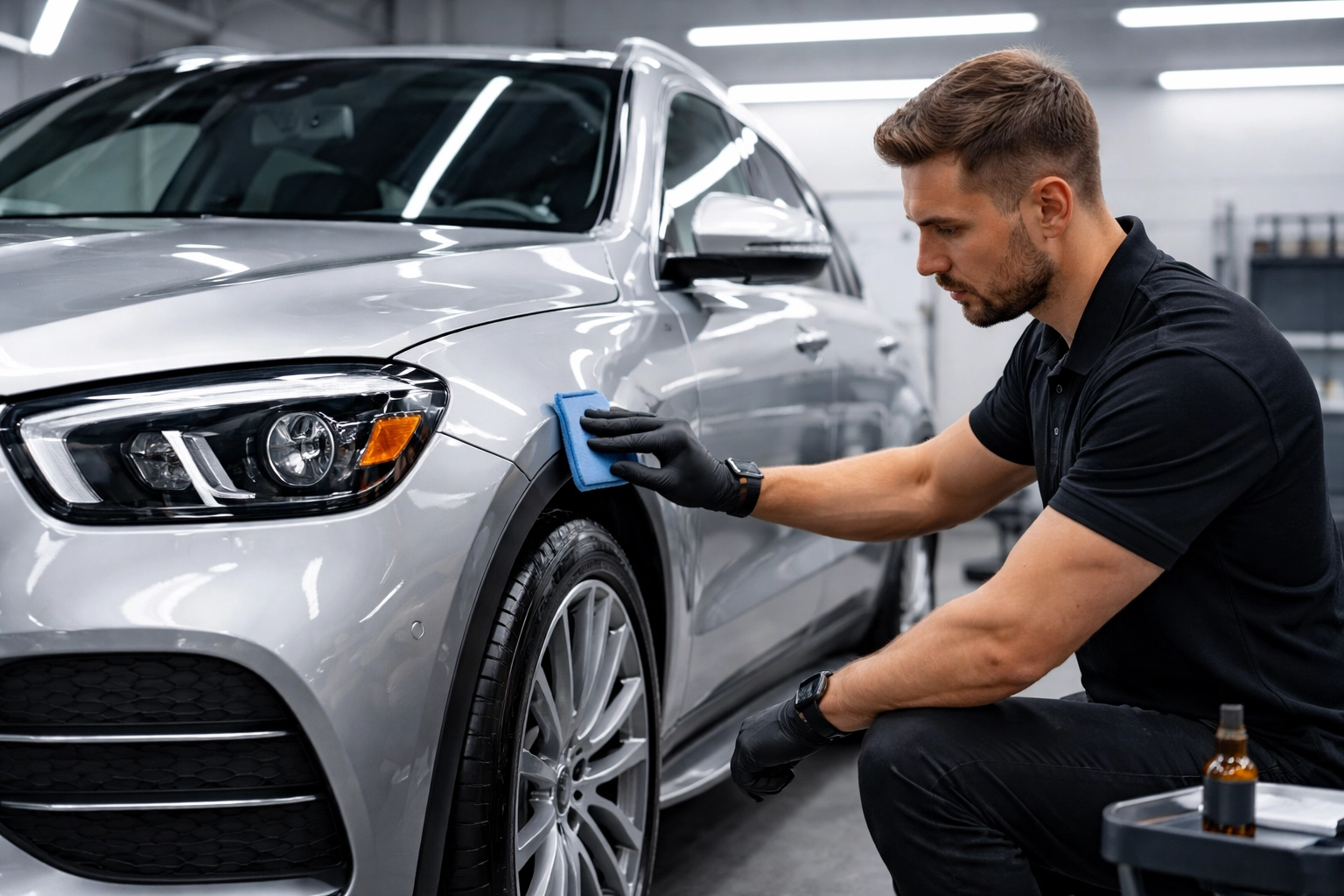
Ceramic coating takes a completely different approach to paint protection. Rather than applying a physical film, ceramic coating bonds chemically with your car's clear coat at a molecular level. This creates an incredibly hard, invisible layer that becomes part of the paintwork itself.
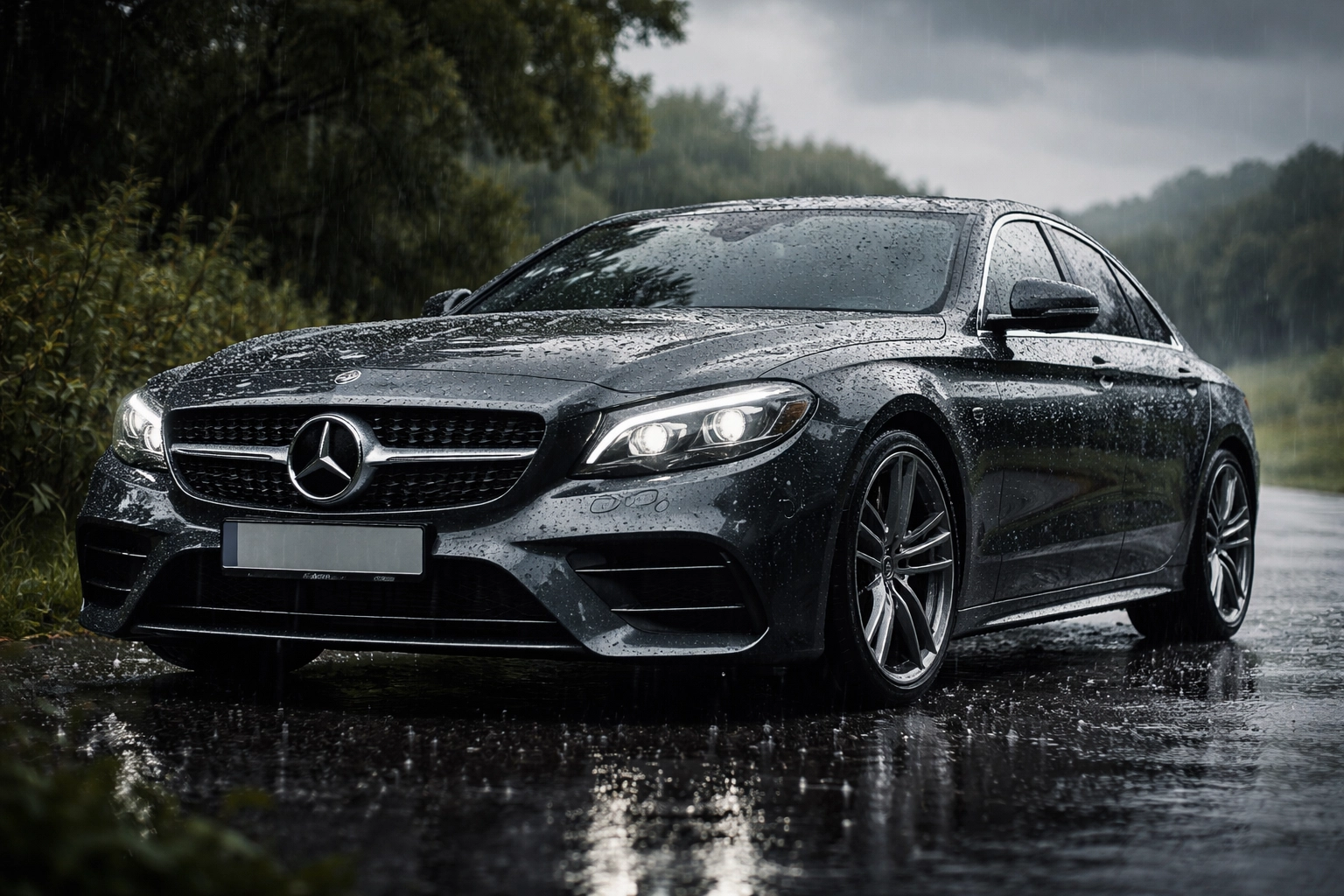
The result? A hydrophobic surface that actively repels water, dirt, and contaminants. When it rains, water beads up and rolls off, taking dirt and grime with it. This isn't just about protection: it's about making your car genuinely easier to live with day-to-day.
Ceramic coatings excel at defending against the environmental threats that British drivers actually face: road salt during winter months, acid rain, bird droppings, tree sap, and harmful UV rays that cause paint to fade over time. For the vast majority of us who drive on normal roads in normal conditions, these are the real enemies of our paintwork.
The Cost Question: What Are You Actually Paying For?
Let's talk money, because this is where the difference becomes stark.
A professional PPF installation typically costs anywhere from £1,500 to £5,000+ depending on how much of your vehicle you want covered. Full-body coverage pushes you toward the higher end of that range: and beyond. The installation process is labour-intensive, requiring skilled technicians to carefully cut and wrap the film around every curve and contour of your car.
Ceramic coating, by comparison, offers exceptional value. Professional application is significantly more affordable, and you're getting comprehensive protection for the entire vehicle rather than just select panels. When you factor in the longevity and the reduced maintenance costs over time, ceramic coating delivers a far better return on investment for most drivers.
Think about it this way: would you rather spend thousands protecting against stone chips you might never encounter, or invest sensibly in protection against the environmental damage your car faces every single day?
Maintenance: The Day-to-Day Reality
Here's where ceramic coating really pulls ahead for practical, everyday use.
PPF requires careful maintenance to keep it looking its best. The film can trap dirt at its edges, and those edges need regular attention to prevent lifting or peeling. You'll need to be cautious about which cleaning products you use, and some automatic car washes are completely off-limits if you want to preserve the film's integrity.
Ceramic coating? It practically looks after itself. The hydrophobic properties mean dirt and grime struggle to stick in the first place. A simple rinse often removes surface contamination, and when you do wash your car properly, the process takes half the time it used to. No special products required, no edge-lifting to worry about, no panels to check.
For busy drivers who want their car to look brilliant without becoming a part-time detailer, ceramic coating is the obvious choice. You can learn more about the straightforward maintenance process in our guide to maintaining Diamondbrite Advanced Ceramic.
The Aesthetics Factor: Invisible Protection vs. Visible Problems
One of ceramic coating's greatest strengths is that it's completely invisible. It enhances what's already there: deepening the colour and adding a stunning gloss: without changing the fundamental appearance of your paintwork. Your car looks like your car, just better.
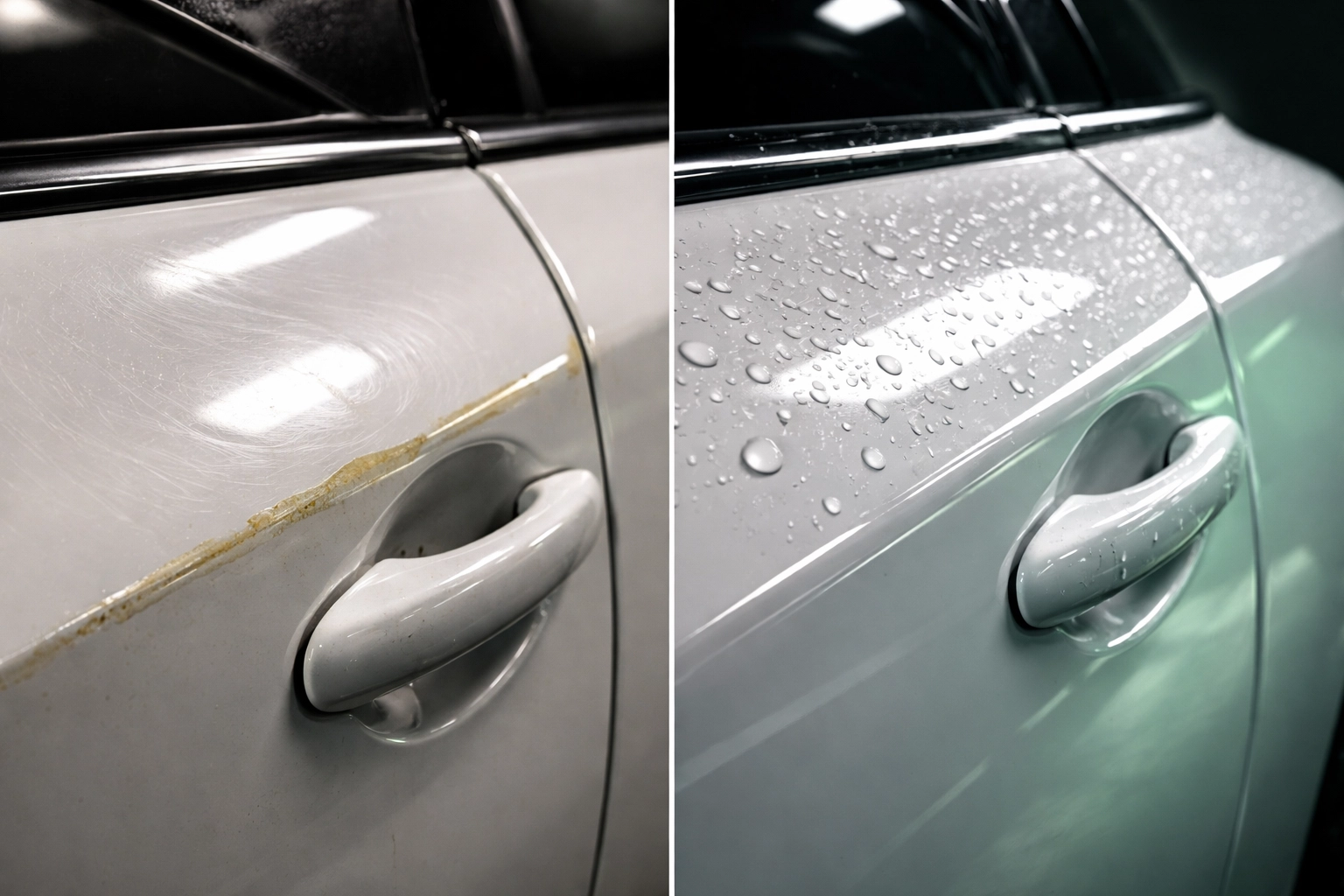
PPF, unfortunately, can develop aesthetic issues over time. The film may yellow with age, particularly on white or light-coloured vehicles where discolouration becomes most noticeable. Edges can begin to peel or lift, creating visible lines that detract from the very finish you're trying to protect. In direct sunlight, some films show a slight orange-peel texture that differs from the surrounding paint.
There's something slightly ironic about a protection product that can end up making your car look worse than it would have without it. Ceramic coating simply doesn't have this problem: it enhances and protects without any visual compromise.
Real-World Protection for British Roads
Let's be honest about what actually damages paintwork in the UK.
Stone chips from motorway driving are a concern, certainly. But the cumulative damage from road salt spread liberally across our winter roads, acidic bird droppings that etch into clear coat, tree sap that bonds with paint, and the relentless UV exposure during summer months: these are the threats that age your car's appearance year after year.
Ceramic coating excels at defending against every single one of these. The chemical-resistant barrier prevents contaminants from bonding with your paintwork. The UV protection stops oxidation and fading. The hydrophobic surface means road salt washes away rather than sitting on the paint and doing damage.
PPF offers minimal protection against chemical and environmental damage. It's designed to absorb impacts, not repel contaminants. If environmental protection is your priority: and for most UK drivers, it should be: ceramic coating is the superior paint protection system.
Why Ceramic Coating Makes Sense for Most Drivers
Unless you're regularly driving through quarries or tackling rally stages at the weekend, the protection PPF offers is largely overkill. You're paying premium prices for defence against threats you may never encounter, while leaving your car vulnerable to the environmental damage that actually affects everyday driving.
Ceramic coating provides:
- Comprehensive environmental protection against road salt, acid rain, UV rays, and organic contaminants
- Significantly lower cost with better overall value
- Easier maintenance and reduced cleaning time
- Enhanced appearance with deeper colour and showroom shine
- Invisible protection that won't yellow, peel, or show edges
- Long-lasting results when properly maintained
For the typical motorist, this combination of benefits simply can't be matched.
Diamondbrite Advanced Ceramic: Protection Done Properly
At Diamondbrite, we've spent decades perfecting car paint protection that actually works for real-world driving conditions. Our Advanced Ceramic coating is proudly British-made and specifically formulated to tackle the challenges our roads present.
The formula provides outstanding protection against road salt corrosion, acid rain damage, and UV degradation: keeping your paintwork looking factory-fresh for years. The hydrophobic finish delivers that stunning, water-beading effect that makes every drive feel like leaving the showroom.
For a deeper understanding of how ceramic technology protects your vehicle, take a look at our article on understanding ceramics in car care.
The Verdict
Both PPF and ceramic coating have their place in automotive protection. But for the vast majority of drivers who want practical, cost-effective, aesthetically superior protection against everyday threats, ceramic coating is the smarter choice.
It protects against what actually damages your car, looks better, costs less, and requires minimal fuss to maintain. That's the kind of sensible, effective protection that makes genuine sense: and exactly what we've built our reputation on at Diamondbrite.