

For most UK car owners, Diamondbrite’s Diamond Shine Tyre & Trim Dressing is the best tyre dressing to buy right now. It delivers a balanced satin-to-gloss finish, uses rubber-safe ceramic-infused chemistry, and is formulated and bottled in Britain. If your priorities are long-term rubber health, low sling risk, and a finish that looks genuinely cared-for rather than drenched in silicone, this is the one to reach for.
Here are the category picks to match your situation:
- Best overall: Diamondbrite Diamond Shine Tyre & Trim Dressing — ceramic-infused, rubber-safe, British-made, balanced finish
- Best wet-look: Solvent-based wet-look dressing (e.g. Autoglym High Performance Tyre Gel, Meguiar’s Endurance Tyre Gel) — deep gloss for show days; a moderate price per bottle
- Best budget: Budget water-based dressing (e.g. CarPlan Demon Tyres Instant Shine, Simoniz Back to Black) — passable shine, frequent reapplication needed; a budget price
- Best long-lasting: Hybrid polymer tyre dressing (e.g. Gtechniq T2, Nano Go Tyre Dressing) — weeks of durability from cross-linked polymer films; a moderate to higher price range
- Best beginner-friendly: Spray-format water-based dressing (e.g. Autoglym Instant Tyre Dressing, Williams Racing Tyre Dressing) — no applicator pad needed, low sling risk; a moderate price range
Table of Contents
- How do the best tyre dressings compare at a glance?
- Reviews: which tyre dressing is right for you?
- How to choose and apply tyre dressing without sling or damage
- How these picks were assessed
- Why tyre chemistry matters for rubber health and safety
- Key takeaways
- Tyre care is about more than a shiny sidewall
- Diamondbrite Diamond Shine: the British-made tyre dressing worth buying
How do the best tyre dressings compare at a glance?
The table below covers the recommended shortlist across the dimensions that actually matter when you’re standing in front of a shelf or scrolling a product page.
| Product | Finish | Carrier chemistry | Durability | Format | Ease of use | Best for |
|---|---|---|---|---|---|---|
| Diamondbrite Diamond Shine Tyre & Trim Dressing | Satin-to-gloss | Ceramic-infused hybrid | several weeks | Applicator/spray | Beginner-friendly | Daily driver, long-term protection |
| Hybrid polymer tyre dressing | High gloss | Hybrid polymer | several weeks | Applicator pad | Intermediate | Extended durability, infrequent reapplication |
| Water-based satin tyre dressing | Satin/mild gloss | Water-based | 7–14 days | Spray or foam | Beginner-friendly | Daily driver, rubber health priority |
| Solvent-based wet-look dressing | Deep wet gloss | Solvent/silicone | 3–4 weeks (thin coat) | Gel/applicator | Intermediate | Show cars, photoshoots |
| Budget water-based dressing | Mild gloss | Water-based | 7–14 days | Spray | Beginner-friendly | Budget buyers, frequent reapplication |
- Diamondbrite Diamond Shine stands out for combining ceramic protection with a rubber-safe formula you can use every wash cycle without concern.
- Hybrid polymer dressings (Gtechniq T2, Nano Go) suit owners who want to apply once and forget for several weeks.
- Water-based satin options (King of Sheen Eco Tyre Shine, ValetPro Maximum Shine Tyre Gel) are the gentlest choice for daily drivers and those who wash frequently.
- Solvent-based wet-look gels (Autoglym High Performance Tyre Gel, Meguiar’s Endurance Tyre Gel, Auto Finesse Gloss Tyre Dressing) deliver the deepest gloss but carry higher sling risk if over-applied.
- Budget sprays (CarPlan Demon Tyres Instant Shine, Simoniz Back to Black, Turtle Wax Wet ‘N’ Black) are fine for occasional use when cost is the primary concern.
Reviews: which tyre dressing is right for you?
Diamondbrite Diamond Shine Tyre & Trim Dressing
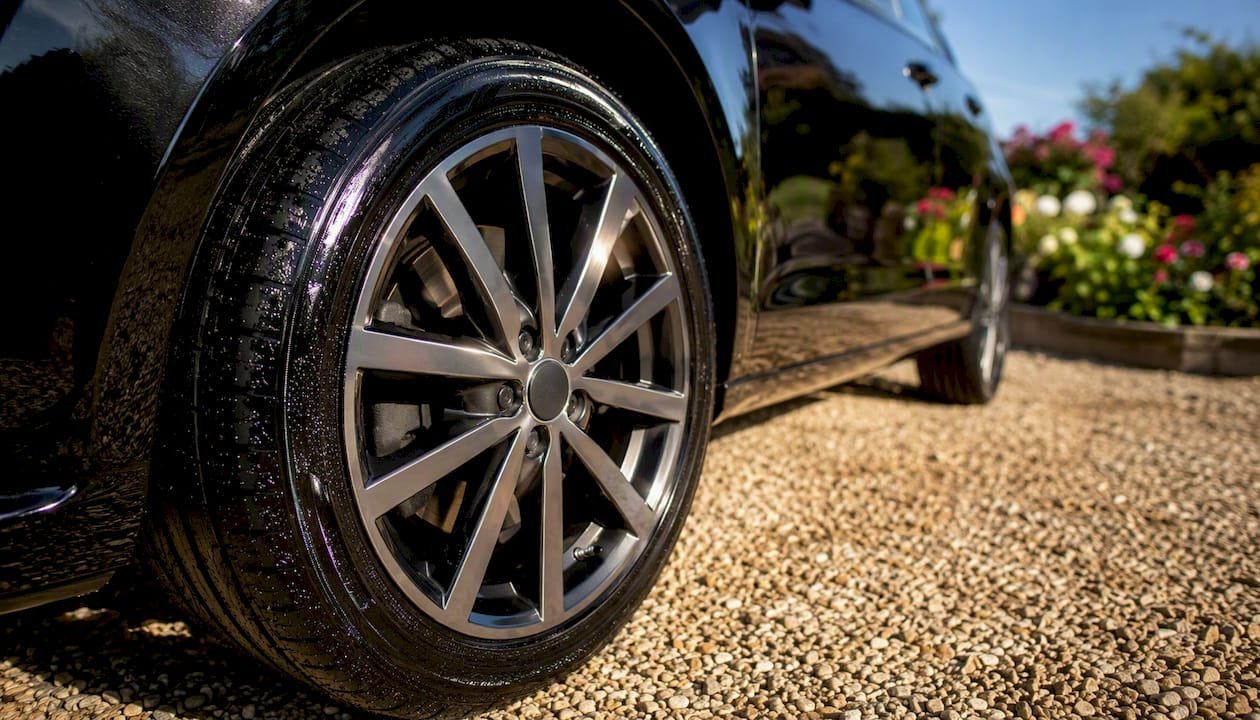
Diamondbrite’s own tyre dressing is the recommended pick for most UK drivers. The ceramic-infused formula builds a durable shield over the rubber sidewall, protecting against UV degradation and road grime while leaving a clean, natural-looking finish. It works equally well on trim, so one product covers your full wheel arch area. Application is straightforward with an applicator pad or a light spray, and the formula’s low-sling profile means you can drive away without the anxiety of brown streaks across your bodywork.
Pros: Ceramic protection, rubber-safe chemistry, low sling, works on trim, British-made
Cons: Finish leans satin rather than deep wet-look (intentional for daily use)
Best for: Daily drivers who want long-term rubber protection alongside a clean, professional finish
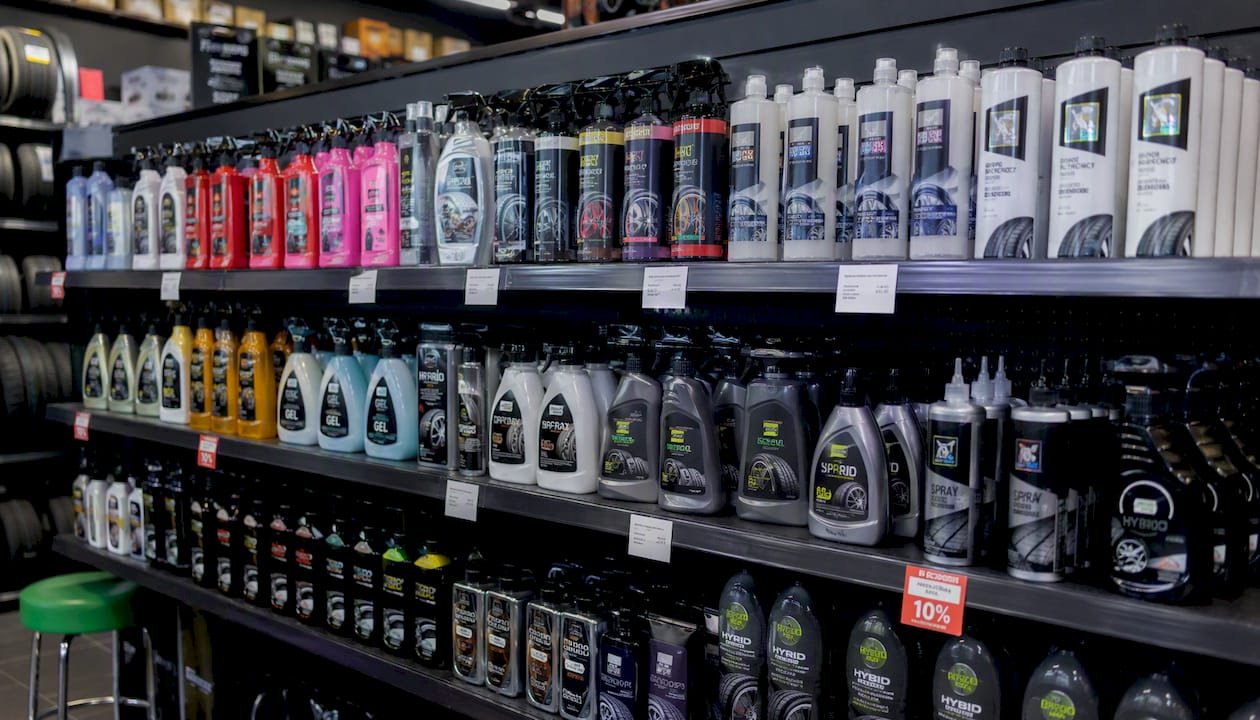
Gtechniq T2 Tyre Dressing
Gtechniq’s T2 is a hybrid polymer formula aimed at detailers and enthusiastic owners who want durability above all else. The cross-linked polymer film bonds tightly to the rubber sidewall, resisting rain and road spray for several weeks. Finish is a controlled semi-gloss rather than a dripping wet look, which suits modern cars well. It costs more per millilitre than most mainstream options, but the extended reapplication interval makes the maths work for owners who detail infrequently.
Pros: Excellent durability, controlled semi-gloss, low sling once cured
Cons: Higher price point, requires clean and dry rubber for best adhesion
Best for: Owners who want maximum longevity and don’t mind paying for it
Autoglym High Performance Tyre Gel
Autoglym’s High Performance Tyre Gel is one of the most widely available tyre dressings in the UK, stocked by Halfords, Amazon, and most motor factors. The gel format gives you control over how much product you apply, which directly affects the finish level. A thin coat produces a natural satin; a slightly heavier application pushes toward a glossy wet look. UK roundups consistently list it among the top performers for ease of use and availability.
Pros: Widely available, controllable finish, good value
Cons: Solvent-leaning formula carries moderate sling risk if over-applied
Best for: UK owners who want a reliable, easy-to-find product with a flexible finish
Meguiar’s Endurance Tyre Gel
Meguiar’s Endurance is a gel-format dressing with a reputation for deep, long-lasting gloss. The formula uses a blend of silicone and polymer agents that deliver a wet look without the immediate runoff you get from cheaper spray-on products. Independent tests rate it highly for gloss score and rain resistance. The main caveat is that it is a solvent-leaning formula, so thin coats and proper dwell time are non-negotiable.
Pros: Deep gloss, good rain resistance, widely available
Cons: Solvent-based chemistry; over-application causes sling and can stress rubber over time
Best for: Gloss enthusiasts who apply carefully and don’t use it every week
Autoglym Instant Tyre Dressing
The spray-format sibling to Autoglym’s gel, Instant Tyre Dressing is the fastest application in the range. Point, spray, done. The finish is lighter and shorter-lived than the gel version, typically lasting 7–14 days, but for a quick freshen-up before a show or a weekend drive it is hard to beat for convenience. Sling risk is low because the water-based carrier dries quickly.
Pros: Fastest application, low sling, widely available
Cons: Shorter durability, lighter finish
Best for: Quick pre-show prep or owners who want a no-fuss weekly spray
ValetPro Maximum Shine Tyre Gel
ValetPro’s gel sits in the water-based camp, which makes it one of the gentler options on rubber. The finish is a controlled gloss rather than a dripping wet look, and the formula’s low-VOC profile makes it more pleasant to use in enclosed spaces like a garage. Durability is in the 7–14 day range typical of water-based dressings, so regular reapplication is part of the routine.
Pros: Water-based, rubber-friendly, pleasant to use, controlled gloss
Cons: Shorter durability than hybrid or solvent options
Best for: Daily drivers who wash weekly and want a rubber-safe gel
King of Sheen Eco Tyre Shine
King of Sheen’s eco formula is one of the few explicitly low-VOC, biodegradable options on the UK market. The finish is a natural satin rather than a high gloss, which suits owners who find the “dipped in oil” look excessive. Durability is typically around 7–14 days, but the environmental credentials and gentle chemistry make it a sensible choice for frequent users who care about what goes down the drain.
Pros: Low VOC, biodegradable, gentle on rubber, satin finish
Cons: Lower gloss than solvent or hybrid options, shorter durability
Best for: Eco-conscious owners or those who dress tyres at every wash
McLaren Gloss Tyre Dressing
McLaren’s branded tyre dressing is a premium-positioned product with a high-gloss finish and a price tag to match. The formula leans toward a solvent or hybrid carrier for that deep wet look associated with the brand’s motorsport heritage. It is a credible performer, but at its price point you are partly paying for the badge. Detailers who want the same finish without the premium can find comparable results from Gtechniq T2 or Diamondbrite’s own range.
Pros: Deep gloss, premium presentation, motorsport branding
Cons: Premium price, no significant technical advantage over comparably priced alternatives
Best for: Brand enthusiasts or gift buyers who want a premium-packaged product
Nano Go Tyre Dressing
Nano Go is a hybrid nano-polymer formula that punches above its price point for durability. The nano-particle technology claims to fill micro-pores in the rubber sidewall for a more even, longer-lasting film. Finish is a semi-gloss that suits both daily drivers and weekend cars. It is less widely stocked than Autoglym or Meguiar’s, so online ordering is usually the easiest route.
Pros: Good durability for the price, semi-gloss finish, nano-polymer technology
Cons: Less widely available in physical stores
Best for: Value-focused owners who want hybrid-level durability without the Gtechniq price
Williams Racing Tyre Dressing
Williams Racing’s tyre dressing is a spray-format product with motorsport branding and a water-based formula. The finish is a natural satin, application is quick, and sling risk is low. Like the McLaren product, part of the appeal is the branding rather than a unique technical formulation. A solid choice for fans of the team or anyone who wants a quick, low-risk spray option.
Pros: Easy spray application, low sling, motorsport branding
Cons: Satin finish only, shorter durability
Best for: Fans of the brand or owners who want a quick, fuss-free spray
Auto Finesse Gloss Tyre Dressing
Auto Finesse is a British detailing brand with a strong following among enthusiasts. Their Gloss Tyre Dressing uses a solvent-leaning formula to deliver a deep, wet-look finish that photographs well. The brand’s reputation for quality chemistry is well-earned, and this product lives up to it. Apply thinly, allow proper dwell time, and the results are genuinely impressive.
Pros: Deep gloss, quality British detailing brand, good durability
Cons: Solvent-leaning, requires careful application to avoid sling
Best for: Enthusiasts who want a show-quality finish from a trusted UK brand
Turtle Wax Wet ‘N’ Black, Simoniz Back to Black, and CarPlan Demon Tyres Instant Shine
These three sit firmly in the budget category. All are water-based sprays available from Halfords, Tesco, and most supermarkets for under £5. Finish is a mild gloss, durability is typical for water-based sprays (about 7–14 days), and reapplication is frequent. None of them will damage your rubber, and for an owner who just wants presentable tyres without spending much, they do the job. CarPlan’s aerosol format is the quickest to apply; Simoniz and Turtle Wax both come in trigger-spray bottles.
Best for: Budget buyers, occasional use, or anyone who wants a supermarket-shelf solution
A note on durability claims: Water-based dressings typically last about one to two weeks; solvent-based formulas can reach several weeks when applied thinly and correctly. Hybrid ceramic or polymer-infused options extend that further. Real-world results vary with UK weather, driving patterns, and how thoroughly you prep the tyre beforehand.
How to choose and apply tyre dressing without sling or damage
Choosing the right formula for your situation
The decision comes down to three questions: how glossy do you want the finish, how often are you willing to reapply, and how much do you care about long-term rubber health?
- Daily driver, washed weekly: choose a water-based or ceramic-infused hybrid (Diamondbrite Diamond Shine, ValetPro Maximum Shine, King of Sheen Eco). Low sling, rubber-safe, easy to reapply.
- Weekend or show car, infrequent washes: a solvent-based gel (Autoglym High Performance, Meguiar’s Endurance, Auto Finesse Gloss) gives the deepest wet look and holds up to rain better.
- Infrequent detailer who wants durability: a hybrid polymer (Gtechniq T2, Nano Go) offers the best balance of longevity and rubber safety.
- Budget priority: any water-based spray under £5 will do the job; just plan to reapply every week or two.
Step-by-step application method
A professional application routine takes about two minutes per tyre and eliminates sling when followed correctly.
- Clean the tyre thoroughly. Use a dedicated tyre cleaner or all-purpose cleaner with a stiff brush. Scrub until the brown, foamy residue (antiozonant bloom) stops appearing. Applying dressing over uncleaned rubber produces an uneven finish and shortens durability.
- Rinse and dry completely. Water trapped under the dressing dilutes the formula and weakens adhesion. A quick blast with a leaf blower or a microfibre wipe works well.
- Apply a thin, even coat. Use a foam applicator pad rather than a cloth. Load the pad lightly and work in overlapping strokes around the sidewall. Less is more: a thin coat bonds better and slings less than a thick one.
- Allow 10–30 minutes dwell time before driving. Sling is caused by uncured polymer film being exposed to rotational shear; giving the formula time to bond before you hit the road is the single most effective prevention step.
- Wipe away any excess. Run a clean microfibre around the tyre edge to remove unabsorbed product. This final wipe is what separates a professional result from a sling-prone one.
- Avoid the tread. Dressing on the tread surface reduces grip. Keep the product on the sidewall only.
What to avoid
- Applying to a dirty or damp tyre
- Using too much product (the most common cause of sling)
- Skipping the dwell time before driving at speed
- Using a cloth instead of a foam applicator (uneven distribution)
- Spraying directly onto the tyre near painted bodywork without masking
Pro Tip: Detailers who want maximum durability layer thin coats rather than applying one thick one. Allow each coat to cure fully before adding the next. Two thin coats of a hybrid formula will outlast one heavy coat of a solvent product every time.
You can slot tyre dressing into a broader car maintenance checklist so it becomes a habit rather than an afterthought. Pair it with a tyre tread depth check at the same interval and you have a complete tyre-care routine covered in under ten minutes.
How these picks were assessed
Transparency matters when you’re spending money on car care products. Here is the framework used to evaluate the products in this article.
- Gloss and finish assessment. Each product was evaluated for finish level (satin, semi-gloss, wet-look) and consistency across the sidewall.
- Sling observation. Products were assessed for sling behaviour after standard application and after a short drive, noting whether over-application was the primary cause.
- Rain and wash resistance. Durability was assessed against published durability ranges and cross-referenced with independent test findings.
- Ease of use. Format (spray, gel, foam), applicator requirements, and beginner accessibility were all considered.
- Ingredient and safety flags. VOC content, flammability, and rubber-compatibility notes were reviewed against manufacturer data and independent chemistry analysis.
Limitation note: Real-world durability varies significantly with UK weather, driving patterns, and tyre prep quality. The durability ranges cited in this article reflect optimal conditions. In wet British winters, expect the lower end of any stated range. Layered maintenance beats single-application expectations every time.
Why tyre chemistry matters for rubber health and safety
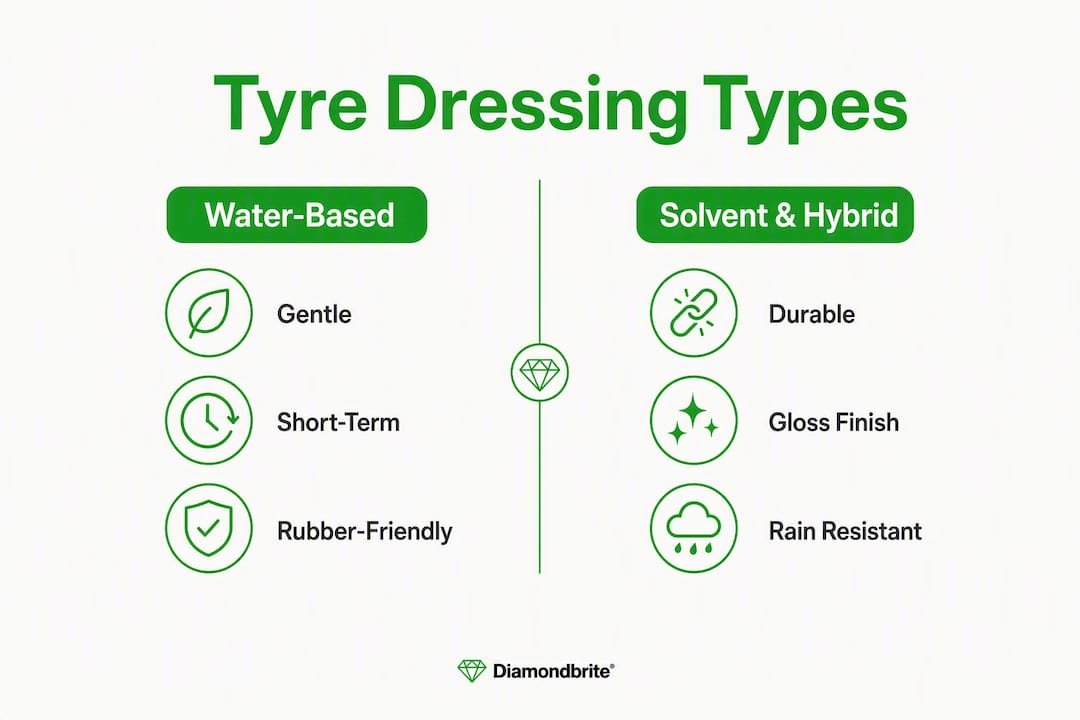
The carrier chemistry in a tyre dressing determines far more than just how shiny the sidewall looks. It affects how long the finish lasts, how much sling risk you carry, and whether repeated use is kind or damaging to the rubber compound.
Water-based dressings
Water-based formulas use emulsified polymers suspended in water as the carrier. The water evaporates, leaving a thin polymer film on the sidewall. Finish is typically satin to mild gloss. Durability sits in the 7–14 day range, sling risk is low, and the chemistry is gentler on rubber over repeated use. Lower VOC content also makes them safer to use in enclosed spaces and better for the environment.
Solvent-based dressings
Solvent-based products carry silicone and shine agents in petroleum distillates that flash off after application, leaving a high-gloss silicone film. The result is a deeper, wetter look that lasts up to several weeks when applied thinly. The trade-off is higher VOC content, flammability during application, and the risk of accelerating rubber drying and sidewall cracking with repeated heavy use. They are not inherently harmful used occasionally and correctly, but they are not the right choice for every-wash application.
Hybrid and ceramic-infused dressings
Hybrid formulas combine the safety profile of water-based chemistry with cross-linked polymer or ceramic particles that extend durability beyond what a standard emulsion can achieve. Modern ceramic-infused options like Diamondbrite’s Diamond Shine Tyre & Trim Dressing can offer several weeks of protection while remaining rubber-safe. Professional detailers increasingly favour these for daily-driven cars precisely because they don’t force a choice between longevity and rubber health.
Durability at a glance: Water-based dressings typically last 7–14 days; solvent-based formulas reach 3–4 weeks when applied correctly; hybrid ceramic-infused options can extend protection further while maintaining a safer chemistry profile.
Pro Tip: Always check the product’s Safety Data Sheet (SDS) before using a solvent-based dressing in a confined space. Flammability and VOC thresholds vary between formulas, and good ventilation is not optional.
UK weather adds another variable. Rain resistance is better from solvent and hybrid formulas, which is why many UK owners reach for them in autumn and winter. For frequent users, though, a water-based or hybrid formula is the smarter long-term choice to avoid embrittlement of the rubber sidewall.
Key takeaways
Diamondbrite’s Diamond Shine Tyre & Trim Dressing is the best tyre dressing for most UK drivers in 2026, combining ceramic-infused protection with rubber-safe chemistry and a balanced finish suited to daily use.
| Point | Details |
|---|---|
| Chemistry shapes the result | Water-based lasts 7–14 days and is gentler; solvent-based lasts 3–4 weeks but carries sling and rubber-drying risks. |
| Prep is non-negotiable | Scrub until antiozonant bloom stops before applying any dressing; dirty rubber shortens durability and causes uneven finish. |
| Thin coats prevent sling | Apply sparingly with a foam pad, allow 10–30 minutes dwell time, and wipe away excess before driving. |
| Match formula to use case | Daily drivers: water-based or hybrid. Show cars: solvent-based gel. Infrequent detailers: hybrid polymer for longevity. |
| Diamondbrite Diamond Shine | Ceramic-infused, rubber-safe, British-made; the recommended pick for long-term protection and a clean daily finish. |
Tyre care is about more than a shiny sidewall
Most car owners reach for a tyre dressing because they want their car to look its best. That is a perfectly good reason. But the products that genuinely earn their place in your detailing kit are the ones that protect as well as they shine.
Rubber degrades from UV exposure, ozone, and road chemicals whether you dress it or not. A quality ceramic-infused or polymer-based dressing slows that process by building a protective film over the sidewall. The cosmetic benefit is the part you see; the protective benefit is what you feel when your tyres still look and flex correctly after two years of British winters.
The mistake most owners make is treating tyre dressing as a cosmetic step and skipping the prep. Antiozonant bloom, the brown residue that migrates to the surface of rubber, has to be removed before any dressing can bond properly. Skip that step and you are essentially dressing the bloom, not the tyre. The finish will be uneven, the durability will be poor, and you’ll wonder why the product didn’t live up to its claims.
Choose a formula that matches how you use your car, apply it correctly, and make it part of a regular routine rather than an occasional treat. Your tyres will look better, last longer, and thank you for it.
Diamondbrite Diamond Shine: the British-made tyre dressing worth buying
If you’ve read this far, you already know what matters: rubber-safe chemistry, a finish that suits daily driving, and a formula you can trust to protect as well as it shines. Diamondbrite’s Diamond Shine Tyre & Trim Dressing delivers all three, and it is made in Britain by a brand that has been developing automotive protection chemistry since 1991.
Unlike many products that prioritise the glossiest possible finish at the expense of rubber health, Diamond Shine uses a ceramic-infused formula designed for long-term protection. It works on both tyres and trim, so one product covers your full wheel arch. It is available directly from the Diamondbrite online shop, alongside the full range of ceramic car care products for every part of your vehicle. Head to the shop, pick up a bottle, and give your tyres the protection they deserve.