

Let's be honest: most of us want our cars to look showroom-fresh for as long as possible. But here's the thing: even the most well-intentioned UK drivers are unknowingly destroying their car paint protection without realising it.
From grabbing the washing-up liquid to leaving bird droppings to "deal with later," these seemingly small mistakes add up quickly. The result? Dull, scratched paintwork that ages your car faster than it should.
The good news is that most of these issues are completely avoidable. So, let's run through the seven most common car paintwork protection mistakes we see time and time again: and more importantly, how to fix them.
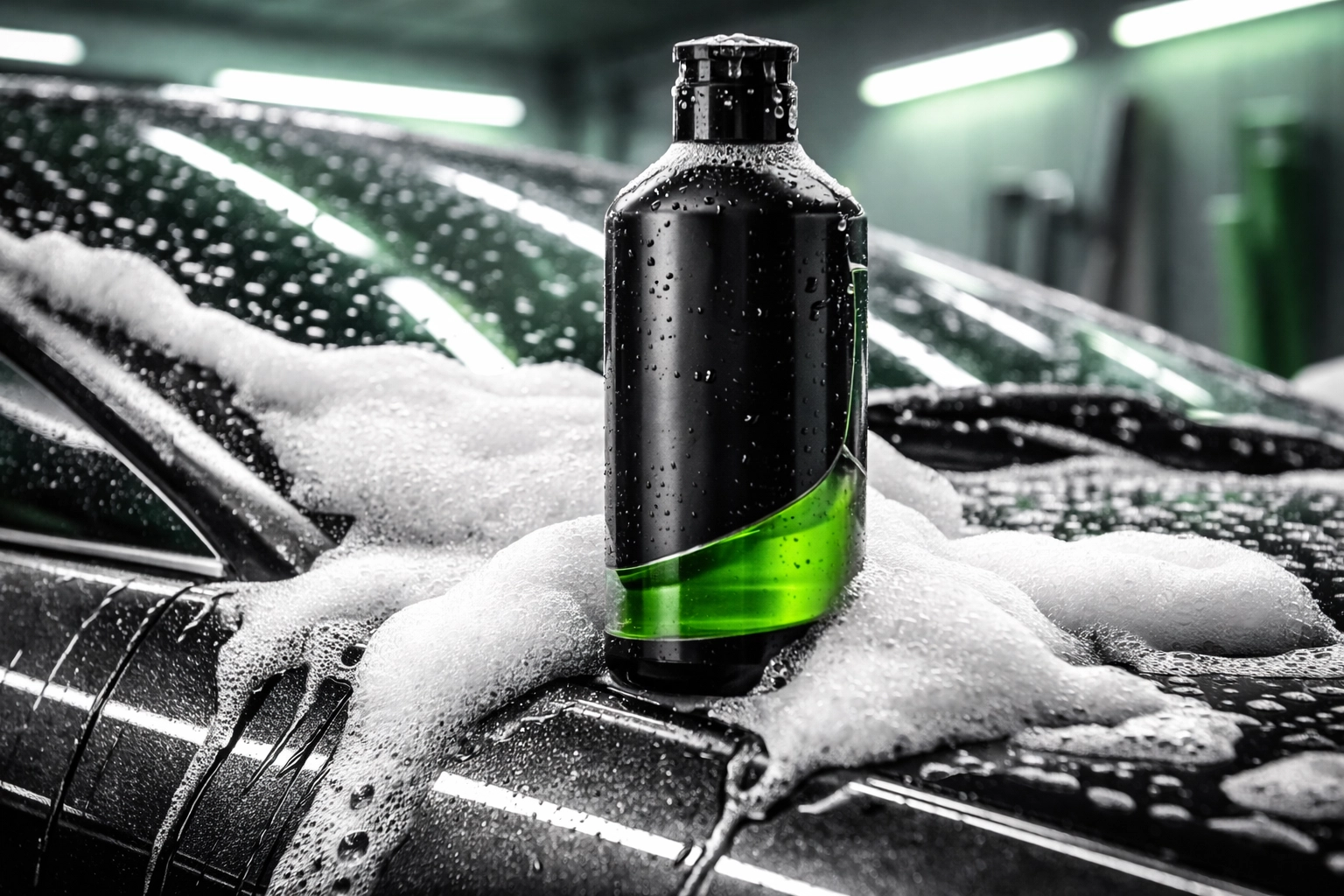
Mistake #1: Using Washing-Up Liquid Instead of Car Shampoo
We get it. The Fairy liquid is right there under the sink, and it cuts through grease like a dream. So why not use it on your car?
Here's why: washing-up liquid is designed to strip oils and fats from your plates. When you use it on your car, it does exactly the same thing: stripping away any protective wax, sealant, or ceramic coating you've applied. Over time, this leaves your paint exposed, dry, and vulnerable to the elements.
The Fix: Always use a pH-balanced car shampoo that's specifically formulated for automotive paintwork. These products clean effectively without attacking your car paint protection. If you've invested in a professional ceramic coating, using the right shampoo is essential to maintaining that glossy finish.
Mistake #2: Ignoring Bird Droppings and Tree Sap
We've all done it. You spot a lovely present from a passing pigeon on your bonnet, think "I'll sort that out at the weekend," and then promptly forget about it.
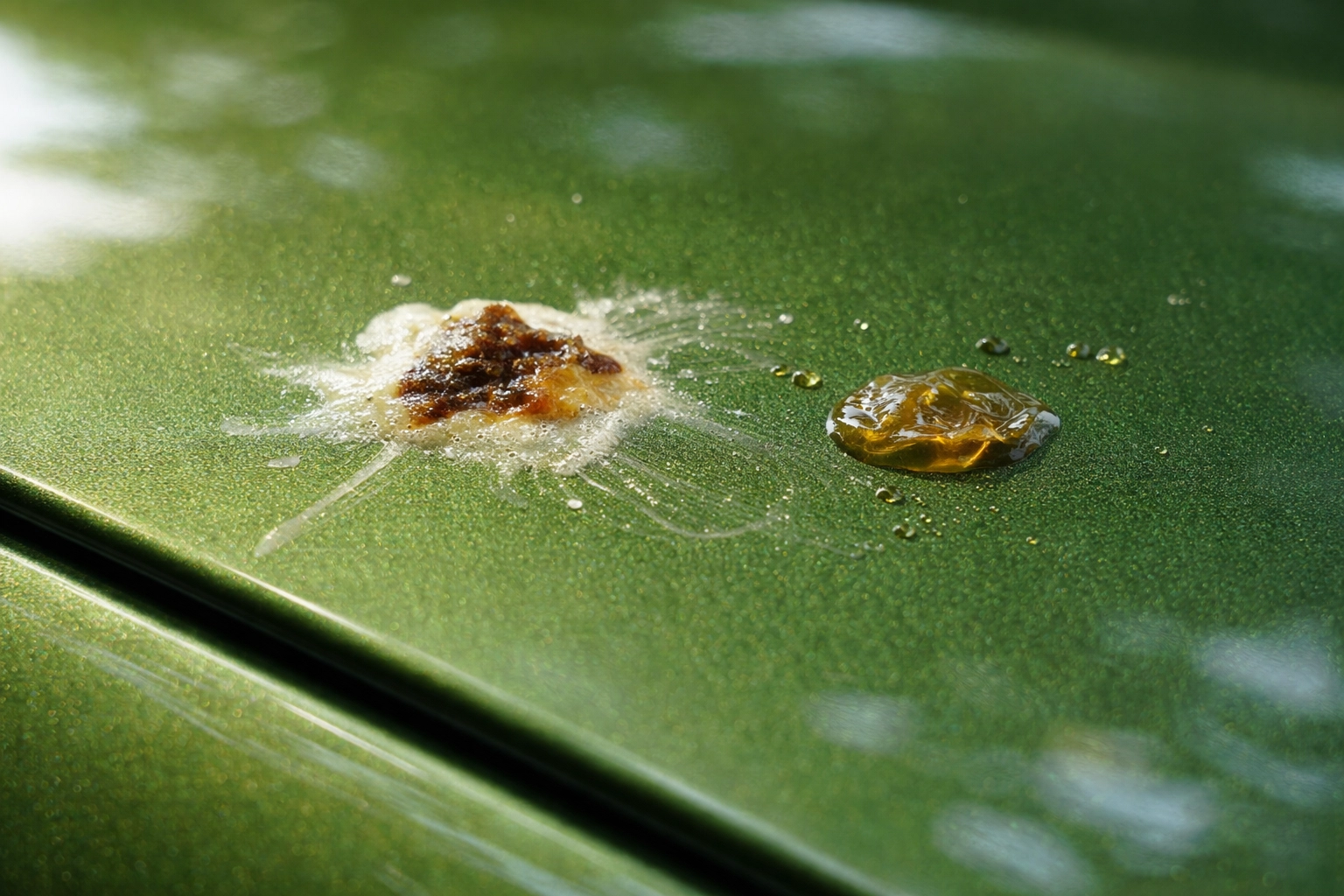
Here's the problem: bird droppings are highly acidic. Left on your paintwork for even a few days, they can etch into the clear coat, leaving permanent marks that no amount of polishing will remove. Tree sap is equally nasty: it hardens in the sun and bonds to the paint surface, often pulling off chunks of clear coat when you finally try to remove it.
The Fix: Deal with contaminants as soon as you spot them. Keep a small bottle of quick detailer spray and a microfibre cloth in your boot for emergencies. A quick wipe-down takes thirty seconds and could save you hundreds in paint correction later.
If your car is protected with a quality ceramic coating, you'll find that these nasties are much easier to remove: but they still shouldn't be left to bake in the sun.
Mistake #3: Using Poor Quality Cloths and Towels
That old bath towel in the garage might seem perfectly fine for drying your car, but it's actually one of the fastest ways to introduce swirl marks and fine scratches to your paintwork.
Regular towels have a rough texture that drags across the paint surface. Worse still, they can trap dirt and grit in their fibres, turning your drying session into an impromptu sanding exercise.
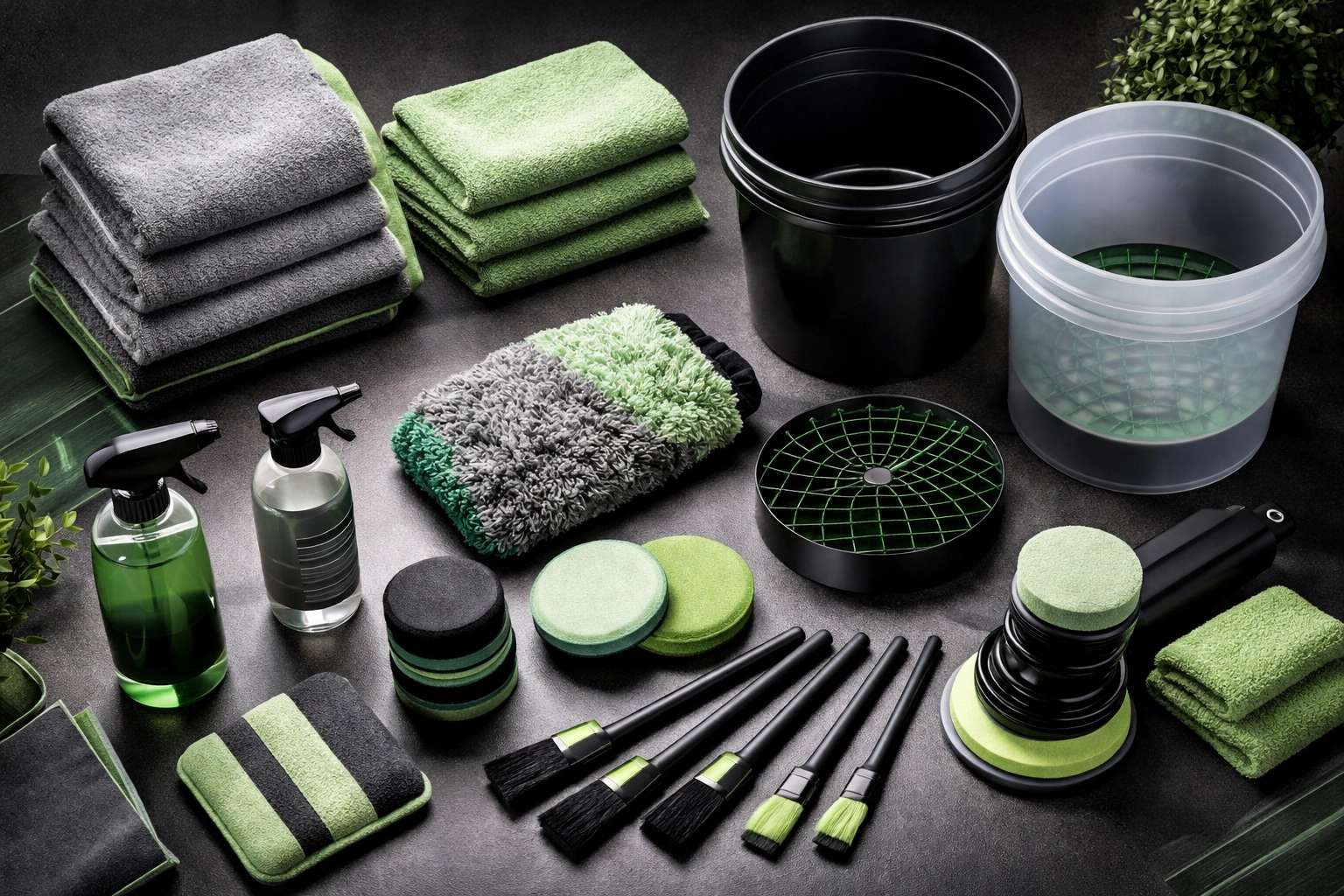
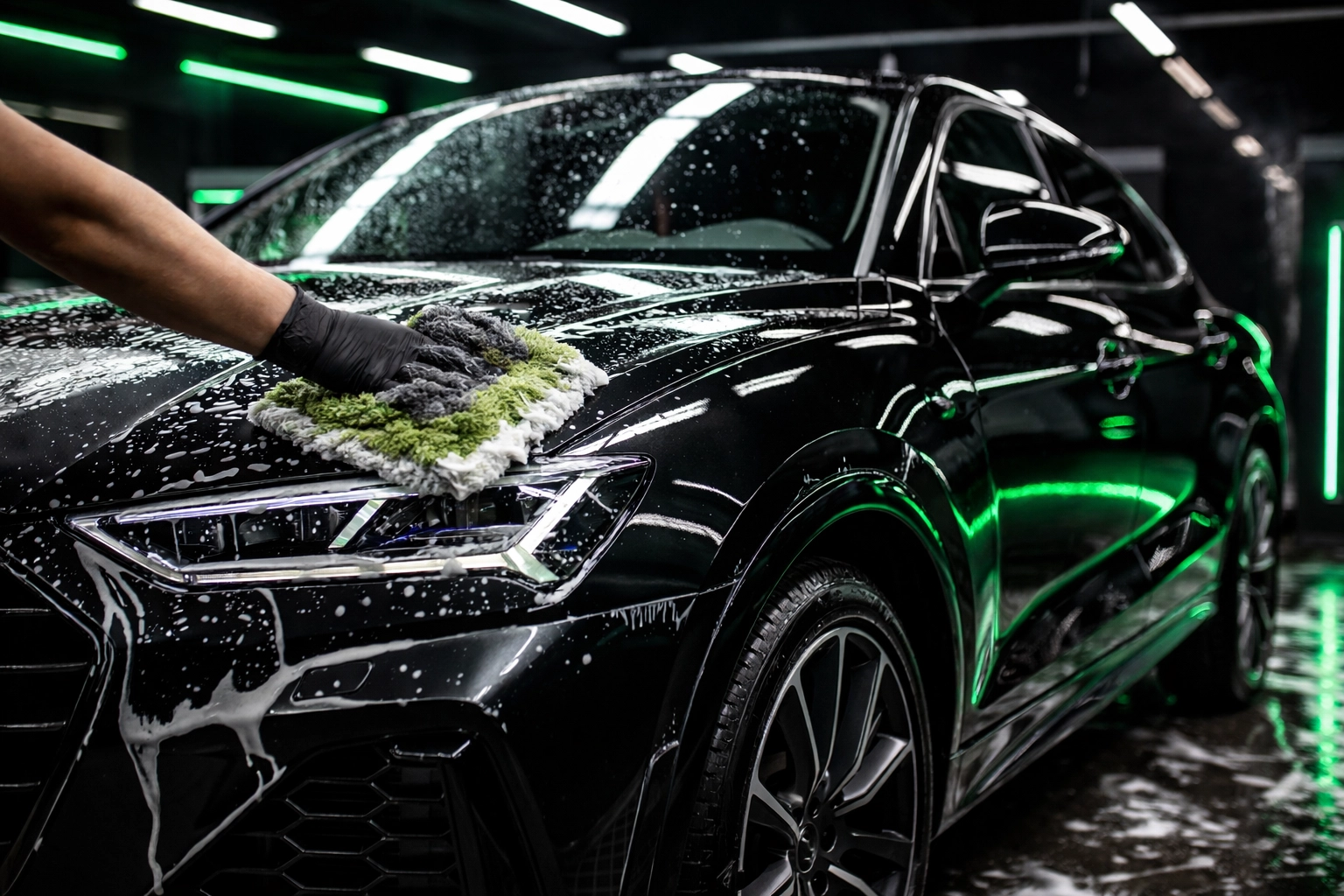
The Fix: Invest in high-quality microfibre towels specifically designed for automotive use. These have a much softer weave that lifts water away without scratching. For washing, use a microfibre wash mitt and follow the two-bucket method: one bucket for your soapy water, one for rinsing your mitt. This stops you from reintroducing dirt back onto the paintwork.
Mistake #4: Skipping Proper Preparation Before Protection
You've bought a fancy new wax or sealant, and you're eager to get that showroom shine. So you slap it straight onto your freshly washed car, right?
Wrong. If your paintwork hasn't been properly prepared, any protection product you apply will struggle to bond correctly. Worse, you might actually seal in contaminants, highlighting swirl marks and imperfections rather than hiding them.
The Fix: Before applying any car paint protection product, make sure your paintwork is:
- Thoroughly washed and dried using proper techniques
- Decontaminated with a clay bar or iron fallout remover to remove bonded contaminants
- Polished (if necessary) to remove any existing swirl marks or oxidation
This prep work makes a massive difference to how well your protection performs and how long it lasts. For more detailed guidance, check out our caring for Diamondbrite guide.
Mistake #5: Applying Wax in Circular Motions
Here's one that surprises a lot of people. You've probably seen car enthusiasts in films buffing away in big circular motions, looking like they're waxing on and waxing off. Looks satisfying, doesn't it?
The trouble is, circular motions can create those dreaded swirl marks: especially if there's any grit or residue on your applicator pad. They also make it harder to achieve even coverage, leading to streaky, patchy results.
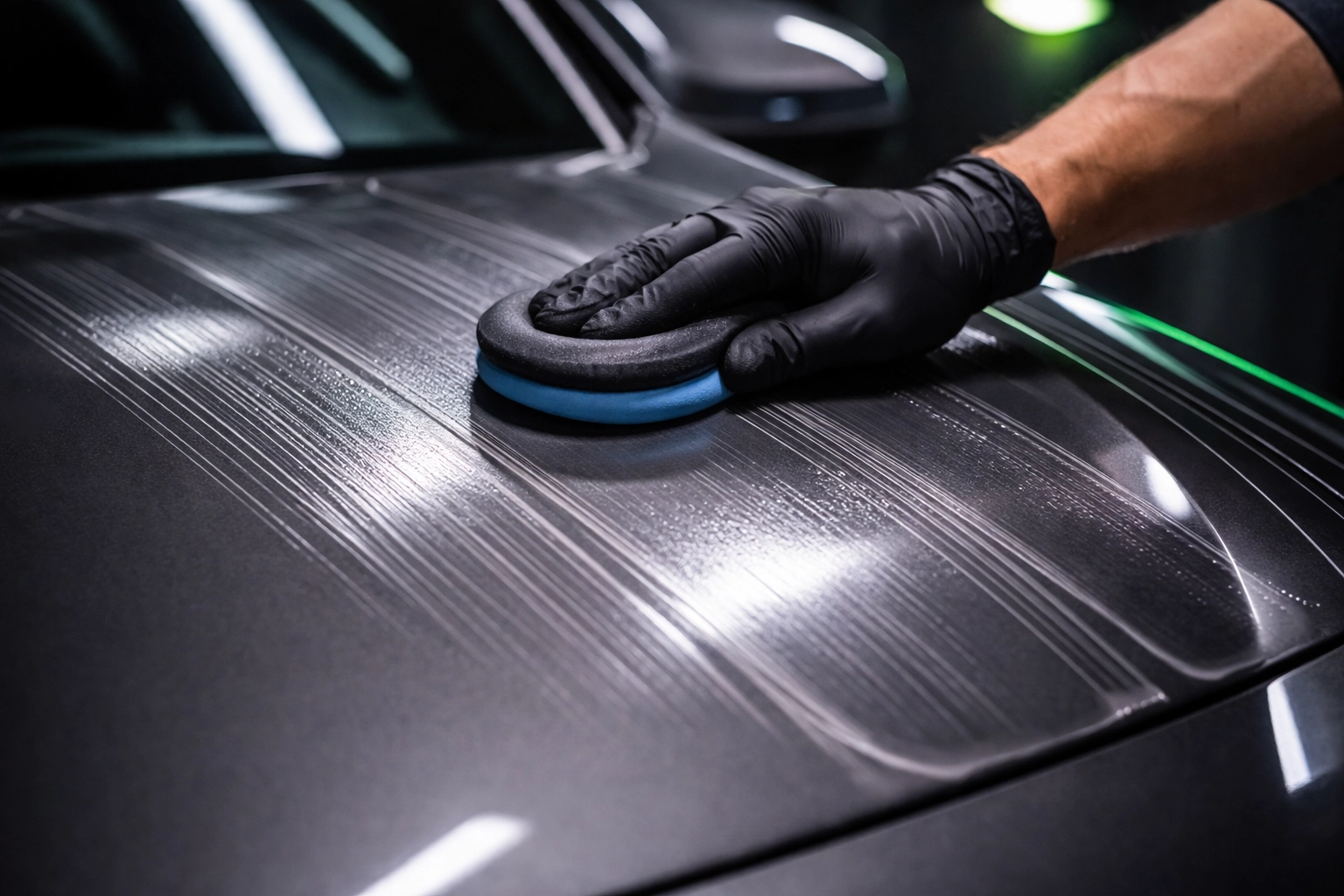
The Fix: Apply wax or sealant in straight, overlapping lines rather than circles. Work in small sections, follow the manufacturer's instructions for curing time, and buff off with a clean microfibre cloth. If you're applying too much product, you'll end up with a hazy, difficult-to-remove residue. Less is genuinely more here.
Mistake #6: Neglecting Ongoing Maintenance
Getting professional car paintwork protection installed is a brilliant investment. But here's where many drivers go wrong: they assume the job is done and dusted, then forget about maintenance entirely.
Even the best ceramic coating isn't invincible. Without regular care, dirt builds up, water spots form, and the hydrophobic properties gradually diminish. You'll still have protection underneath, but you won't be getting the full benefit.
The Fix: Treat your protected paintwork to regular washes using the correct products. Avoid harsh chemicals, automatic car washes with abrasive brushes, and anything that might compromise the coating.
If you've had Diamondbrite Advanced Ceramic applied, we recommend following our specific maintenance guidelines to keep your coating performing at its best for years to come.
Mistake #7: Using a Pressure Washer on Full Blast
Pressure washers are fantastic tools: when used correctly. Crank the pressure up too high, though, and you risk forcing water under trim pieces, damaging seals, and even stripping protective coatings from your paintwork.
We've seen cases where enthusiastic jet-washing has actually etched patterns into clear coat, leaving permanent damage that requires professional correction.
The Fix: If you're using a pressure washer, stick to a low-pressure setting with a wide-angle nozzle (40 degrees is ideal). Keep the lance at least 30cm away from the paintwork, and never aim directly at panel gaps, badges, or trim edges.
Better yet, use the pressure washer for your initial rinse to remove loose dirt, then switch to hand washing with a mitt for the main clean. Your car paint protection will thank you.
The Smarter Approach: Professional Ceramic Coating
Here's the thing: while avoiding these mistakes will certainly help preserve your paintwork, the best defence is always a strong offence.
A professionally applied ceramic coating creates an ultra-hard, chemically bonded layer over your paintwork that's far more resilient than traditional waxes or sealants. It makes washing easier, repels contaminants more effectively, and provides serious protection against UV damage, acid rain, road salt, and all the other nasties British weather throws at your car.
At Diamondbrite, our ceramic protection systems are trusted by dealerships and professional detailers across the UK. They're designed to work hard so you don't have to: giving you that effortless glossy finish wash after wash.
Want to understand more about how ceramic technology actually works? Have a read of our guide to understanding ceramics in car care.
Wrapping Up
Most car paint protection mistakes come down to using the wrong products, the wrong techniques, or simply not giving your paintwork the attention it deserves. The brilliant news is that every single one of these issues is fixable: and now you know exactly what to avoid.
Start with the basics: ditch the dish soap, invest in proper microfibre towels, and deal with bird droppings before they become permanent souvenirs. And if you want truly long-lasting protection that makes your life easier, a professional ceramic coating is the way to go.
Your car's paintwork will look better, last longer, and hold its value for years to come. Not bad for a few simple changes, is it?