

If you’ve ever stood in the car care aisle wondering whether to grab another tin of wax or finally make the leap to ceramic coating, you’re not alone. It’s one of the most common questions we hear from car owners across the UK, and the answer isn’t always straightforward.
Both options promise to protect your paintwork and keep your vehicle looking showroom-fresh. But when it comes to car paint protection, the similarities largely end there. In this guide, we’ll break down the real differences between traditional car wax and modern ceramic coating technology, helping you decide which paint protection system truly suits your needs.
The Traditional Approach: Car Wax
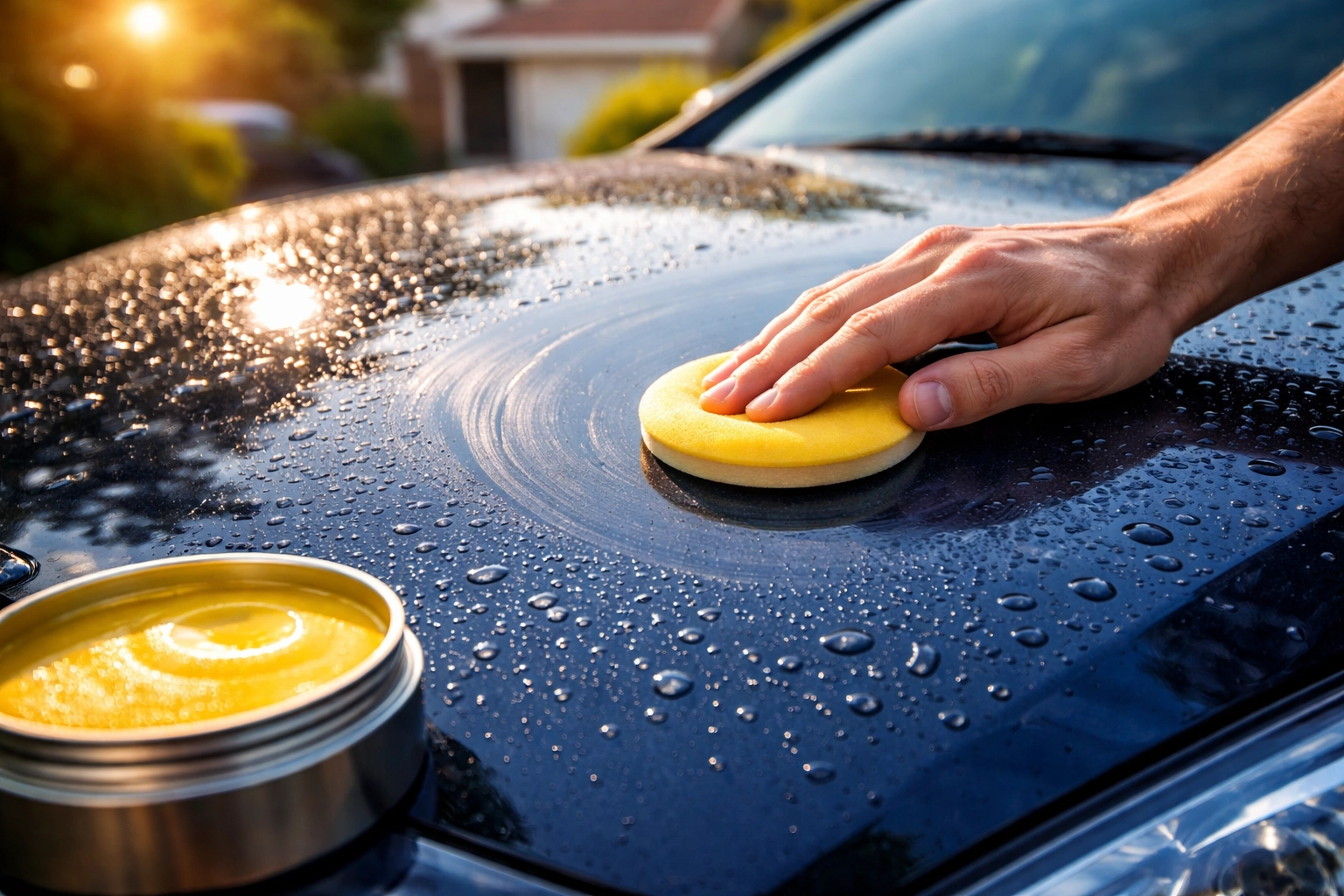
For decades, wax has been the go-to solution for car enthusiasts wanting that deep, glossy shine. Whether it’s natural carnauba wax or a synthetic polymer blend, the principle remains the same: you apply a thin layer that sits on top of your paint, creating a temporary barrier against the elements.
There’s something satisfying about the ritual of waxing your car on a sunny weekend. You buff, you polish, you step back to admire the gleam. And for a few weeks, your vehicle looks fantastic.
But here’s the catch: that protection doesn’t last.
Traditional wax typically needs reapplication every four to eight weeks. Synthetic waxes might stretch to three or six months if you’re lucky, but that’s still a significant commitment of time and effort throughout the year. Factor in the British weather (rain, sleet, road salt in winter) and you’ll find that wax breaks down even faster.
What Wax Does Well
To be fair, wax isn’t without its merits:
- Affordable upfront costs: A quality wax costs between £15–50 per application
- DIY-friendly: No special equipment or training required
- Satisfying results: That warm, deep glow carnauba wax produces is genuinely lovely
- Good for short-term events: Perfect if you’re prepping your car for a show or special occasion
However, wax offers only mild UV protection, limited chemical resistance, and virtually no defence against the acidic damage caused by bird droppings, tree sap, or industrial fallout. It’s a temporary fix that requires constant attention.
The Modern Solution: Ceramic Coating
Now let’s talk about ceramic coating, a technology that’s transformed the car paint protection landscape over the past decade.
Unlike wax, which simply sits on your paint’s surface, ceramic coatings create a chemical bond with your vehicle’s paintwork through a curing process. This forms a semi-permanent protective layer that’s far more durable than anything wax can offer.
A professionally applied car ceramic coating can last anywhere from two to five years, sometimes longer with proper maintenance. That’s not a typo. Years, not weeks.
How Ceramic Coatings Work
At the molecular level, nano ceramic coating technology uses silicon dioxide (SiO2) particles that are incredibly small, we’re talking nanometres here. These particles fill the microscopic pores in your paintwork, creating an exceptionally smooth, hydrophobic surface.
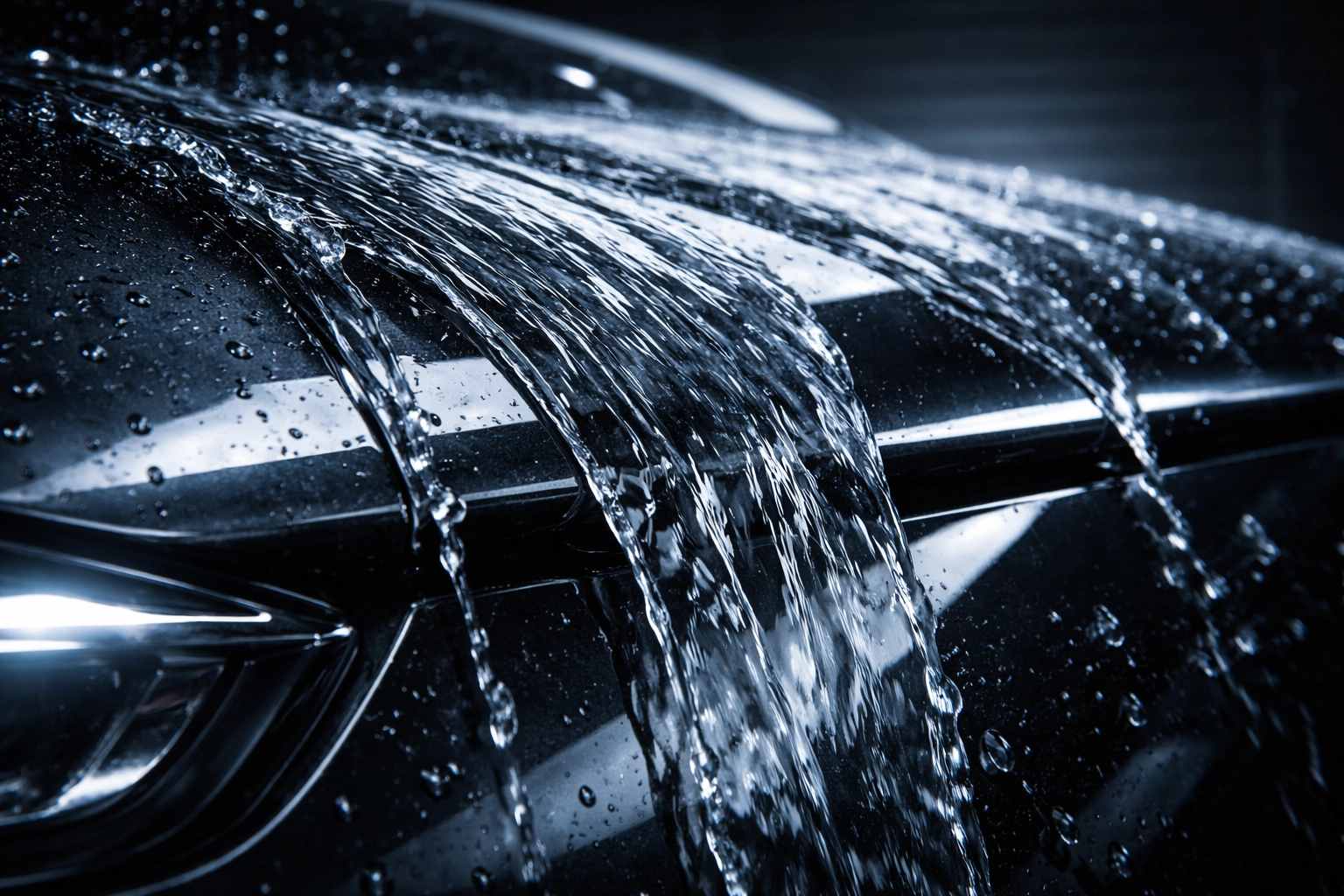
The result? Water doesn’t just bead on your car, it sheets off, taking dirt and contaminants with it. This self-cleaning effect means your vehicle stays cleaner for longer between washes, and when you do wash it, the process is quicker and easier.
The Real-World Benefits of Ceramic Protection
Let’s get specific about what a quality ceramic coating for cars actually protects against:
UV and Heat Resistance
The British summer might not rival the Mediterranean, but UV rays still cause significant paint oxidation and fading over time. Ceramic coatings provide superior UV protection, keeping your paintwork vibrant for years rather than watching it slowly dull.
Chemical and Environmental Protection
This is where ceramic really shines. Your coating creates a barrier against:
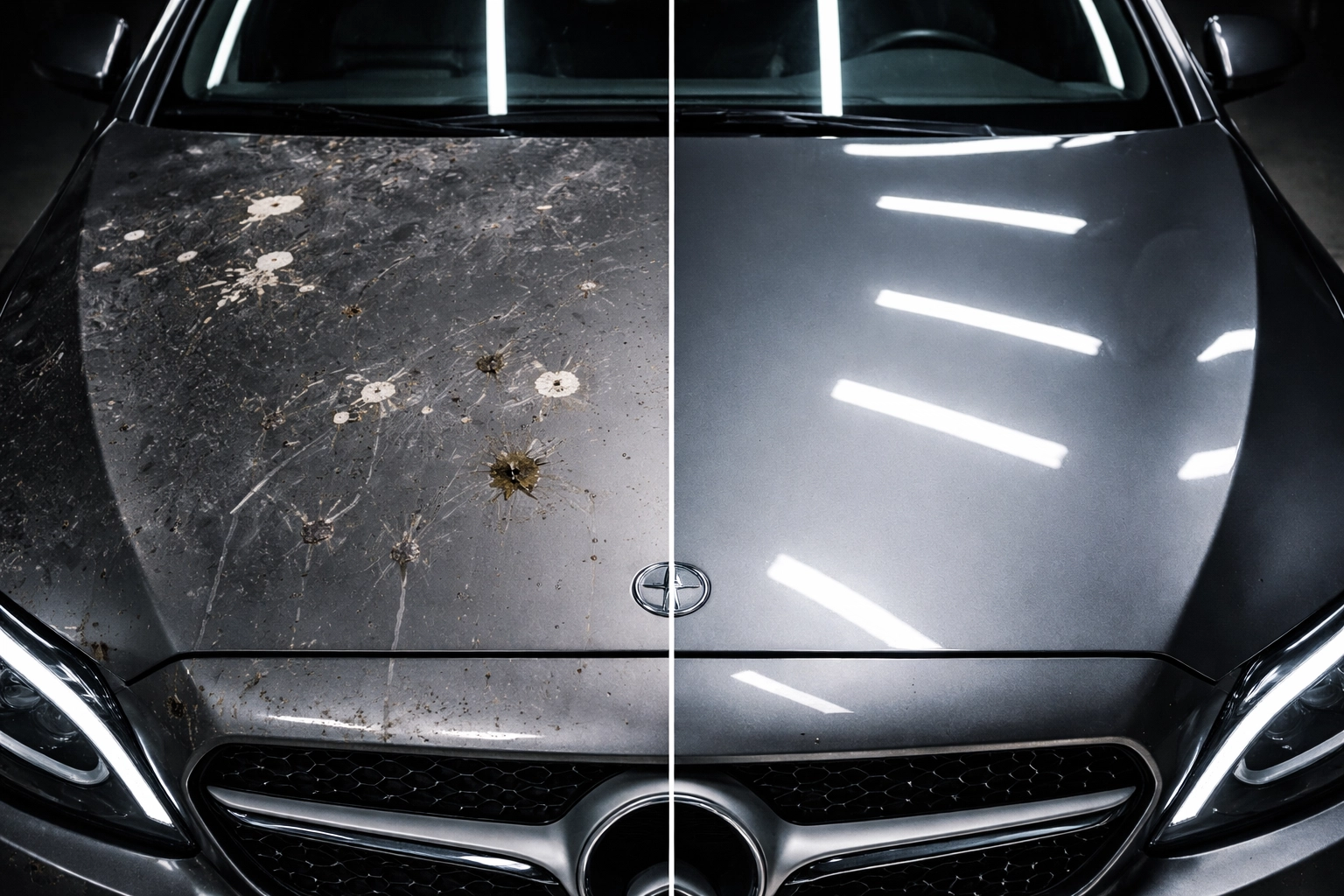
- Bird lime (highly acidic and can etch unprotected paint within hours)
- Tree sap (sticky, difficult to remove, and damaging if left)
- Road salts (particularly important for UK winters)
- Industrial fallout and acid rain
- Insect residue
With wax, these contaminants attack your protection layer first, but since wax degrades quickly, they soon reach your actual paintwork. With ceramic, that chemical bond provides consistent, long-term defence.
The “Never Polish Your Car Again” Promise
Here’s something that genuinely changes the ownership experience: with a quality ceramic coating system, you can say goodbye to the endless cycle of polishing.
Diamondbrite’s Advanced Ceramic and Nano Ceramic systems are specifically designed to maintain their high-gloss finish without the need for regular polishing. The surface remains slick, shiny, and protected: you simply wash your car as normal, and it continues looking exceptional.
For busy professionals or anyone who’d rather spend their weekends enjoying their car than maintaining it, this is a significant benefit.
Professional Application vs DIY: Why It Matters
You can buy DIY ceramic coating kits online, and some deliver reasonable results. However, there’s a significant difference between consumer-grade products and professional paint protection systems.
Professional application matters for several reasons:
Surface Preparation: Before any ceramic coating is applied, the paintwork must be thoroughly decontaminated, polished (if necessary), and prepared. Any imperfections sealed under the coating will be locked in for years.
Application Technique: Ceramic coatings require precise, even application. Too much product, uneven coverage, or incorrect curing conditions can result in high spots, streaking, or premature failure.
Product Quality: Professional-grade ceramics: like those in the Diamondbrite Ceramic range: use higher concentrations of active ingredients and more advanced formulations than consumer alternatives.
Warranty and Guarantee: When you choose a professionally applied system from a reputable manufacturer, you typically receive a meaningful guarantee. Diamondbrite’s systems come with comprehensive coverage, giving you peace of mind that your investment is protected.
Why British-Made Quality Matters
In a market flooded with imported products of varying quality, there’s something reassuring about choosing a British manufacturer with decades of experience.
Diamondbrite has been developing car body protection solutions in the UK for over 30 years. Our products are manufactured to ISO-certified standards, ensuring consistent quality and performance across every application.
When you choose Diamondbrite, you’re not just getting a ceramic coating: you’re getting a complete paint protection system backed by genuine expertise, proper research and development, and a company that stands behind its products.
Making the Right Choice for Your Vehicle
So, which is better for your car paint protection: wax or ceramic coating?
If you genuinely enjoy the weekend ritual of detailing your car, have a vehicle you only use occasionally, or are preparing for a one-off event, traditional wax remains a perfectly valid choice.
However, if you want long-term protection with minimal maintenance, drive your vehicle daily, or simply value your time too much for constant reapplication, ceramic coating is the clear winner.
The initial investment is higher: professional ceramic application typically costs significantly more than a tin of wax. But when you factor in years of protection, reduced maintenance time, preserved paintwork value, and the sheer convenience of a self-cleaning surface, the economics become far more favourable.

Ready to Protect Your Investment?
Your vehicle is one of your most significant purchases. Protecting its appearance isn’t just about aesthetics: it’s about preserving value and enjoying that new-car feeling for years to come.
If you’re ready to explore professional ceramic protection, take a look at the Diamondbrite Ceramic range or learn more about maintaining your ceramic coating once applied.
For a deeper dive into the science behind ceramic technology, our guide on understanding ceramics in car care explains exactly how these remarkable products work at the molecular level.
Whatever you choose, your paintwork will thank you for the protection.