

To prevent car paint fading, cut its exposure to UV light and heat, wash it safely, and keep a protective layer on top of the clear coat at all times. Fading is far easier to stop than to fix. A few steady habits keep your colour deep and glossy for years.
TL;DR
- UV light is the main culprit. Park under cover when you can and keep a protective layer on the paint.
- Wash with the two-bucket method and a pH-neutral shampoo, and remove bird droppings quickly.
- Wax, sealants and ceramic coatings differ mainly in how long they last, so choose by how much upkeep you want.
- Red and yellow paints are more vulnerable than white or black.
- Once clear coat is peeling, polishing cannot fix it, so act while the paint is still sound.
Table of Contents
- What makes car paint fade
- Spot the difference between fading and clear coat failure
- Park smart
- Build a washing routine that protects the finish
- Wax, sealant, ceramic coating or film?
- Perspective: why we favour ceramic care
- Keep protection topped up
- Can faded paint be restored?
- Protect your paint with Diamondbrite
- FAQ
- Sources
What makes car paint fade
UV radiation is the primary cause of paint degradation. It breaks down the chemical bonds in the clear coat’s polymers, leaving a hazy, brittle or chalky finish known as oxidation. Heat makes it worse. The same source explains that infrared heat makes paint layers expand and contract, which can cause micro-cracking and faster breakdown.
Colour matters too. Primary colours such as red and yellow are less stable than white or black. New Scientist explains that red pigments absorb high-energy blue and UV light, which breaks down their chemical structure faster. If your car is red, protect it early.
Spot the difference between fading and clear coat failure
The two problems look similar at first, but they call for different action. Fading shows up as lost gloss or vibrancy, while clear coat failure shows as chalkiness, peeling or flaking.
Check your car clean and dry, in daylight:
- Even dullness or reduced colour depth without peeling usually points to oxidation, according to a UK coachworks guide.
- Cloudy or grey patches, blistering, cracking or flaking suggest the clear coat is deteriorating.
- A lifting or curling transparent edge is, according to a UK bodyshop, the clearest sign the clear coat is separating.
Another simple check is how water behaves. Healthy clear coat beads water, while degraded paint lets it sheet off.
Park smart
The cheapest protection is shade. Parking in a garage, carport or under cover is one of the most effective ways to reduce direct sun exposure. If you have no cover, change where you park through the day, and keep summer midday sun off the roof and bonnet where you can.
Build a washing routine that protects the finish
A gritty wash does as much harm as the sun, because it scratches the clear coat and dulls the shine. The RAC recommends the two-bucket method, a pH-neutral shampoo, thorough drying to avoid water spots and prompt removal of bird droppings.
A simple routine:
- Rinse or pre-wash to lift loose grit. Our guide to a 5–10 minute pre-wash and two-bucket wash shows how.
- Wash wheels first, then the paint, following a sensible car wash sequence.
- Use one bucket for shampoo and one to rinse your mitt. Our two-bucket wash method explains the detail.
- Dry by blotting rather than dragging a towel across the panel.
Avoid harsh cleaners. Abrasive agents, including those with bleach or ammonia, can strip protective layers and speed up dulling. A pH-neutral car shampoo cleans without stripping what you have applied.
Deal with contamination quickly. Bird droppings and insects are acidic, so see our advice on preventing bug etching. Be aware that cleaning bird droppings often removes wax or coating from that spot, so re-protect the area afterwards.
What about WD-40?
It is not a paint protector. WD-40 says its multi-use product has been tested on many paints with no effect, but advises testing a hidden area first, and warns that wax polishes may be softened. Use it for tar or adhesive residue, then wash and re-protect the panel. For tar, our guide on how to remove tar from your car safely covers the steps.
Wax, sealant, ceramic coating or film?
All four put something between the sun and your clear coat. Wax is a short-term sacrificial layer, sealants offer medium-term synthetic protection, ceramic coatings give long-term chemically bonded hydrophobic protection, and paint protection film is a physical barrier against chips and scratches.
| Protection | Typical lifespan | Best for |
|---|---|---|
| Wax | 6–8 weeks | Enthusiasts happy to reapply often |
| Sealant | Up to a year | Easy, mid-term protection |
| Ceramic coating | Up to five years | Long-term, low-effort protection |
| Paint protection film | Varies by product | Chip and scratch resistance |
If you want durable protection without much effort, ceramic is the strongest fit for fade prevention. Our comparison of sealant versus ceramic coating for UK cars helps you decide.
Perspective: why we favour ceramic care
We built Diamondbrite around one idea: protecting paint should not take a whole weekend. Our ceramic-infused range is designed to help you build a durable shield over your paint, so UV, grime and water have less to work on.
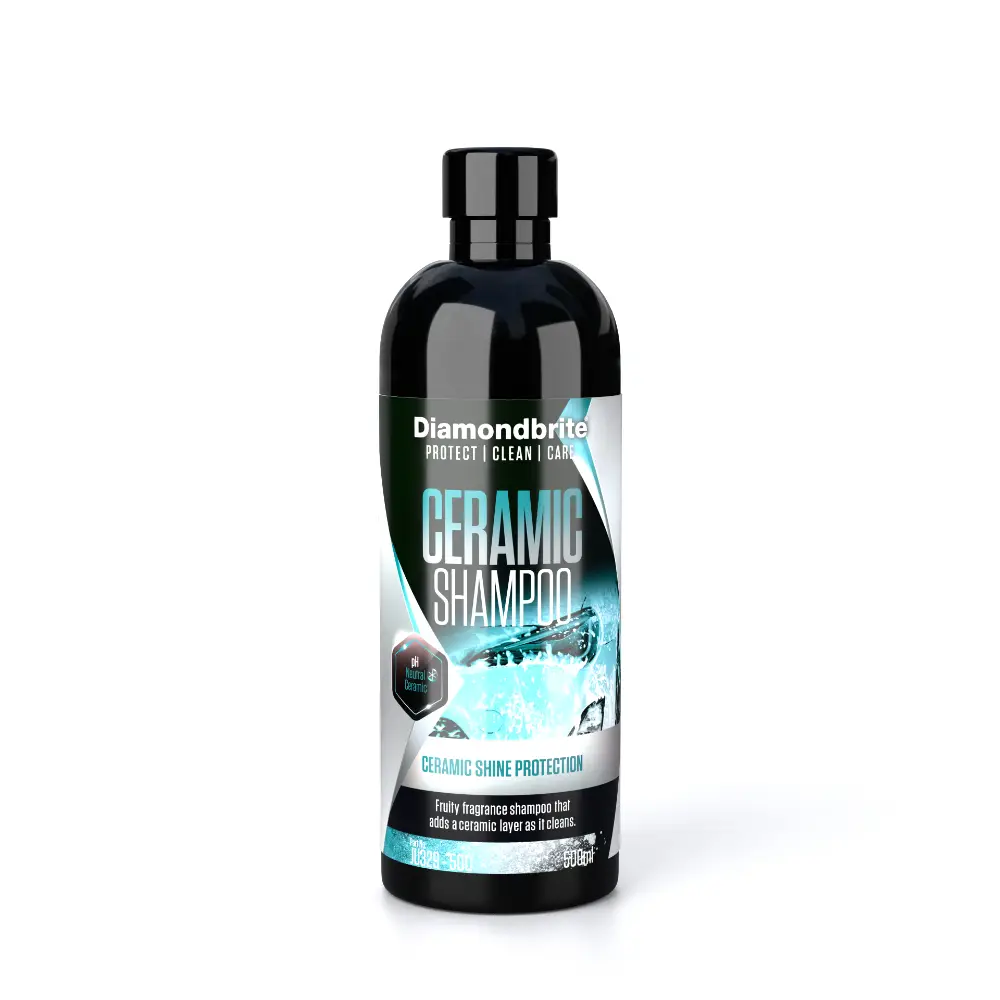
The real secret is consistency. A ceramic shampoo that tops up your protection every wash, followed by a ceramic glaze when the finish needs a lift, keeps the shine going without constant waxing. That suits busy owners as much as enthusiasts.
Start early, wash gently and keep topping up. Your paint will thank you for it.
Will
Keep protection topped up
Protection only works while it is there. A ceramic shampoo adds to the layer each time you wash. When beading weakens, you can top up your ceramic coating in under an hour. Our guide to applying ceramic glaze shows how to do it on paint and trim. In the colder months, see our winter paint protection advice.
Can faded paint be restored?
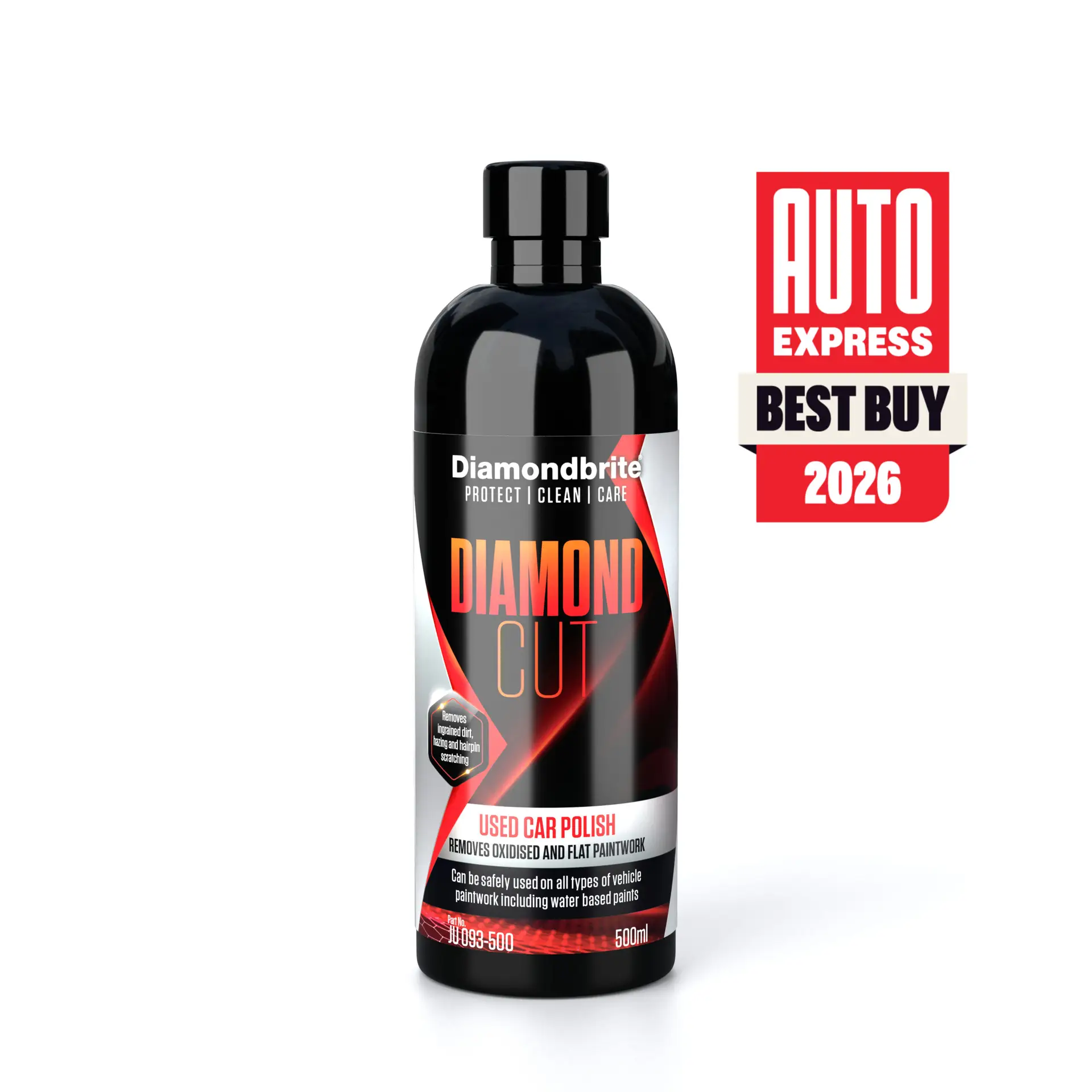
Sometimes. Where paint is stable, careful polishing can remove the degraded top material and improve the finish. Once lacquer has separated, polishing cannot make it stick again. Motor1 makes the same point: protective maintenance can help delay costly paintwork. Act while your paint is still sound, then protect it.
Protect your paint with Diamondbrite
Whether you drive a hatchback, ride a motorbike or look after a caravan or boat, our ceramic-infused range covers paintwork, wheels, glass, interior and more. Browse the full range at the Diamondbrite shop and build a routine that keeps your colour looking its best.
Members of our loyalty programme also get regular value promotions.
FAQ
How do I protect new car paintwork?
Start protection early, before fading shows. Park under cover where possible, wash with the two-bucket method and a pH-neutral shampoo, and apply a wax, sealant or ceramic layer. Keep topping it up so the clear coat is never left exposed.
Which car colour fades the most?
Red and yellow are less stable than white or black, as carsales reports. If you own one, protect it sooner and top up more often.
Does WD-40 protect car paint?
No, it is not designed as protection. It can help remove tar or residue, but it may soften wax. Wash the panel afterwards and re-apply your protection.
Can I stop fading once it has started?
You can slow it. If the paint is merely dull, polishing and protection may improve it. If the clear coat is flaking or peeling, the panel needs professional repainting.
Sources
- Sun’s Impact on Vehicle Paint: A UK Guide
- Your Questions Answered: why does paint fade more these days
- Seeing red, New Scientist
- Car Paint Fade Oxidation Restoration, 2026 UK Guide
- What Causes Clear Coat Peeling?
- How To Prevent Sun Damage And Fading On Your Car’s Paint
- How to wash your car, RAC Drive
- Shield Your Fresh Paint
- How to Remove Bird Droppings Without Damaging Car Paint
- WD-40 UK FAQs
- How to protect car paint: wax and coatings explained, RACV