
Yes, you can apply wax over a ceramic coating, but a traditional carnauba wax usually masks the coating’s hydrophobic performance rather than protecting it. If gloss is your goal, a ceramic-compatible spray sealant or SiO2 topper adds shine without undoing what the coating does underneath. Always check your installer’s guidance before adding anything new to a cured finish.
TL;DR:
- Applying paste wax over a ceramic coating often masks beading and reduces hydrophobic performance, making it harder to assess coating health.
- Spray sealants and SiO2 toppers are better options for enhancing gloss without hiding the coating’s true condition or compromising its protection.
- Proper maintenance involves gentle washing with ceramic shampoo, avoiding aggressive polishing or acidic cleaners that can damage the coating.
- Topping a coating too early, during its cure window or in high temperatures, can interfere with proper bonding and may void warranty coverage.
- Regular, cautious upkeep with compatible products can extend coating life, while neglecting contamination or using abrasive tools shortens its effectiveness.
Table of Contents
- What happens when you wax over ceramic
- Products to use over ceramic: wax, sealants and SiO2 toppers
- Step-by-step routine to top a ceramic-coated finish safely
- Maintenance rhythm and what actually destroys ceramic coatings
- Diamondbrite guidance for keeping your ceramic finish in shape
- A detailer’s short verdict and simple rules of thumb
- Diamondbrite maintenance products and where to buy them
- FAQ
- Links and resources for further reading
What happens when you wax over ceramic
A ceramic coating cures into a thin, hard layer that bonds to your paintwork at a chemical level. Wax never does this: it sits as a soft, sacrificial film on top, which is exactly why it wears off in weeks rather than years. Layer a carnauba paste over a cured coating and you will likely see an immediate glow, the kind of warm, wet-look shine that carnauba is famous for. What you will not see as easily is what that layer is hiding.
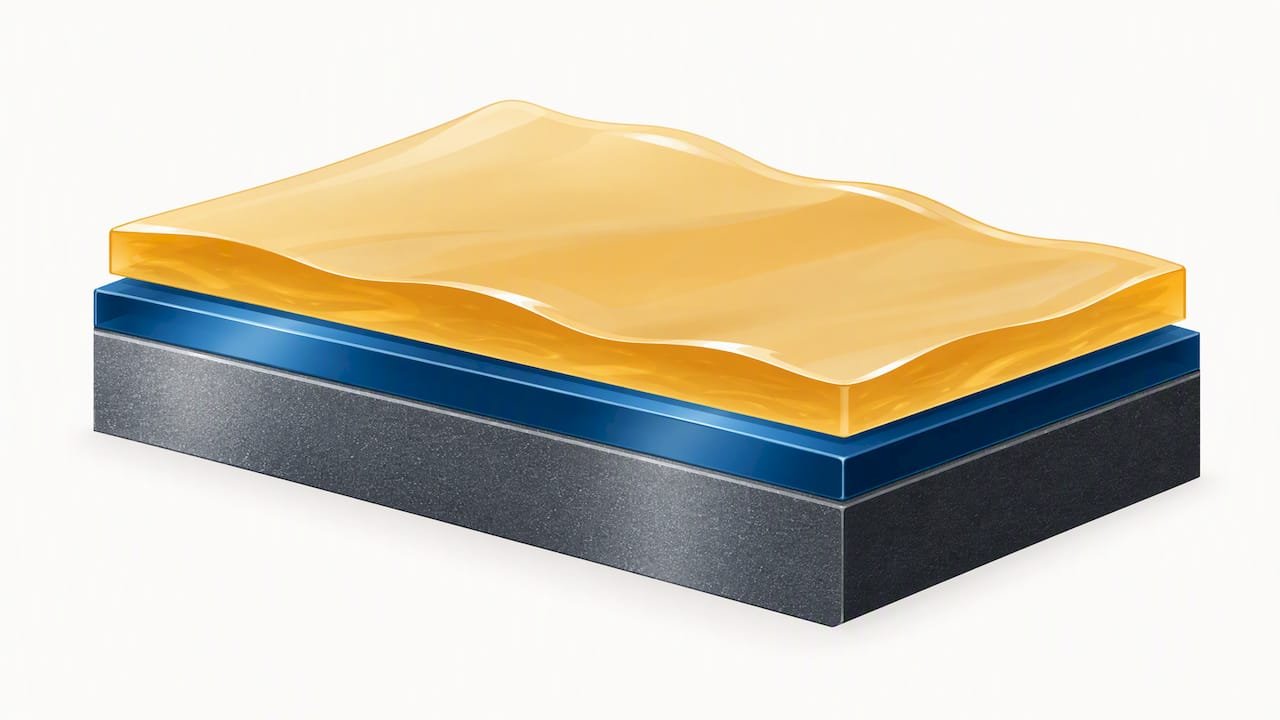
Wax can blunt the sharp, tight beading that a healthy ceramic coating produces, replacing it with the slower, fatter runoff typical of a wax-only surface. That matters because beading behaviour is one of the simplest ways to judge how well your coating is still working. A wax film can mask early defects, make it harder to judge when a coating actually needs topping or stripping, and complicate things if your installer wants to inspect the surface for a warranty check.
A few things worth watching for once wax goes on:
- Water beads become larger and slower to shed, even though the ceramic layer underneath may be perfectly healthy.
- Gloss looks richer immediately, which can trick you into skipping a maintenance wash the coating still needs.
- Inspecting or retopping the coating later becomes trickier, since the wax film has to be removed first to see the coating’s true condition.
Products to use over ceramic: wax, sealants and SiO2 toppers
Not every topper behaves the same way over a cured coating, and the differences matter more than most owners expect.
- Carnauba paste wax sits heavily on the surface, lasts roughly four to eight weeks, and is the hardest type to fully remove without a dedicated wash step.
- Synthetic wax behaves similarly but spreads thinner and wipes off more easily, making it a gentler option than paste if you want occasional gloss.
- Spray sealants are thin, quick-drying, and typically refresh shine without building up the way paste waxes do.
- SiO2 ceramic toppers are formulated to complement an existing coating rather than mask it, often extending slickness and gloss while leaving the coating’s hydrophobic behaviour intact.
For pure protection, leave a healthy coating alone and simply maintain it with the right wash routine. For extra gloss between full recoats, a spray sealant or SiO2 topper is the safer route, since both are designed to sit alongside ceramic chemistry rather than smother it. Heavy, oily paste waxes are the one category worth avoiding: they are the hardest to strip cleanly and the most likely to disguise a coating that actually needs attention.
Step-by-step routine to top a ceramic-coated finish safely
Before you touch a bottle, confirm your coating has fully cured and check any instructions your installer gave you. Some professional installers set restrictions on what can be applied and when, partly to protect their warranty cover.
- Wash thoroughly using a pH-neutral shampoo, then clay or use an iron-fallout remover only if contamination is actually present.
- Skip aggressive polishing. A cured coating does not need correction, and abrasive compounds can cut straight through it.
- Work in a shaded area with cool panels, applying your chosen product in small sections rather than across the whole car at once.
- Use thin coats throughout. Buff waxes off immediately; let SiO2 toppers sit for the short dwell time stated on the bottle before wiping.
- Run a test patch on one panel first. Check that water still beads tightly and that the product wipes away cleanly with no smearing or haze.
Pro Tip: Test on a door panel or boot lid first. If beading looks sluggish or residue is hard to remove, stop and reassess before covering the whole car.
Avoid topping a coating that is still within its manufacturer’s recommended cure window, during periods of high ambient heat that can interfere with curing, or where your installer’s guidance specifically restricts certain products.
Maintenance rhythm and what actually destroys ceramic coatings
Ceramic coatings reward a steady rhythm rather than constant fuss. Spray sealants typically need reapplying every three to six months, while SiO2 maintenance toppers can often stretch to six to twelve months depending on the product and how hard the car is used.
What actually shortens coating life is rarely the coating itself failing, it is what gets done to it:
- Abrasive polishes or compounds used during routine washing, which cut into the hard ceramic layer.
- Acidic wheel cleaners that attack the coating’s chemical bond, especially on wheels and lower panels.
- Bird droppings or tree sap left to sit for days, which can etch through the surface before you even notice.
- Incorrect decontamination, such as scrubbing hard instead of claying or using a dedicated fallout remover.
Professional detailers commonly note that wax applied over a coating is typically a cosmetic choice rather than a protective one, which is worth remembering when judging whether your finish needs topping or genuine restoration. If beading has slowed everywhere, a simple topper usually sorts it. If you see dulling patches, water spotting that will not shift, or visible etching, that points to coating failure and a professional strip-and-reapply rather than another layer on top.
Diamondbrite guidance for keeping your ceramic finish in shape
We designed our ceramic product range to support a regular maintenance routine rather than a one-off cosmetic fix. Using a ceramic shampoo helps keep the wash stage gentle enough to avoid stripping coatings prematurely, while a ceramic glaze can add a quick top-up of gloss between full recoats without needing heavy wax on top.
A few ways our products slot into the routine you have just read:
- Use ceramic shampoo on every wash to maintain beading rather than gradually wearing it down.
- Reach for ceramic glaze when gloss has flattened but beading still looks healthy, as a lighter alternative to paste wax.
- Check our owner resources on interior ceramic coating and our guide to ceramic shampoo benefits for safe removal and restoration steps that will not harm your clear coat.
A detailer’s short verdict and simple rules of thumb
If your coating is still beading tightly, leave it alone. If gloss has flattened but the water behaviour is fine, reach for a SiO2 topper rather than wax. Save wax for cars without a coating at all, where its short lifespan is less of a drawback. Before any of it, check your installer’s cure guidance and warranty terms, since that one conversation saves more coatings than any product choice does.
— Will
Diamondbrite maintenance products and where to buy them
If you want the gloss without second-guessing your coating’s protection, our ceramic shampoo and ceramic glaze are built to work with a cured coating rather than bury it. 
Both fit easily into the wash-and-top rhythm covered above, and we bundle them for owners who want a full maintenance routine rather than piecing one together product by product. Browse the full Diamondbrite shop for ceramic shampoo, glaze and the wider automotive ceramic range, and check each product page for full application instructions before you start.
FAQ
Should you wax over ceramic?
You can, but a traditional carnauba wax tends to mask your coating’s hydrophobic performance rather than protect it. A spray sealant or SiO2 topper is the better choice if your main goal is extra gloss without hiding how the coating is actually performing.
What destroys ceramic coating?
Abrasive polishes, acidic wheel cleaners and prolonged contamination such as bird droppings or tree sap left untreated are the main culprits. Incorrect decontamination, like scrubbing instead of claying, can also wear through the coating faster than normal use.
Does wax stick to ceramic?
Wax sits on top of a cured coating as a separate surface film rather than bonding to it chemically. It will adhere short-term, but it wears away far faster than the coating underneath and needs reapplying every few weeks.
Does wax hurt ceramic coating?
Wax itself does not damage a healthy coating, but it can mask early warning signs like slowing beading or reduced gloss. The bigger risk comes from applying wax before checking your installer’s cure time or warranty guidance, which can complicate inspections later.
Links and resources for further reading
- SRV Detailing
- Ceramic coating maintenance guide
- Diamondbrite ceramic shampoo benefits
- Diamondbrite shop